Saving “Dry” Seeds

Head of Lettuce Flowering and Going to Seed

Saving dry seeds is actually very simple.  “Dry” seeds are plants that produce seeds from a blossom and then mature inside the flower or pod produced from the flower.  These seeds ripen on the plant and do not need any special treatment other than keeping them cool and dry for storage.  I recently did a post on how to save onion seeds, https://rootedemily.com/?p=358.  This is similar to that, but just wanted to show more pictures on “how to” with other vegetables.  The picture above shows a head of lettuce that has gone to seed.  You can see the top flowering.  Let’s take a closer look.
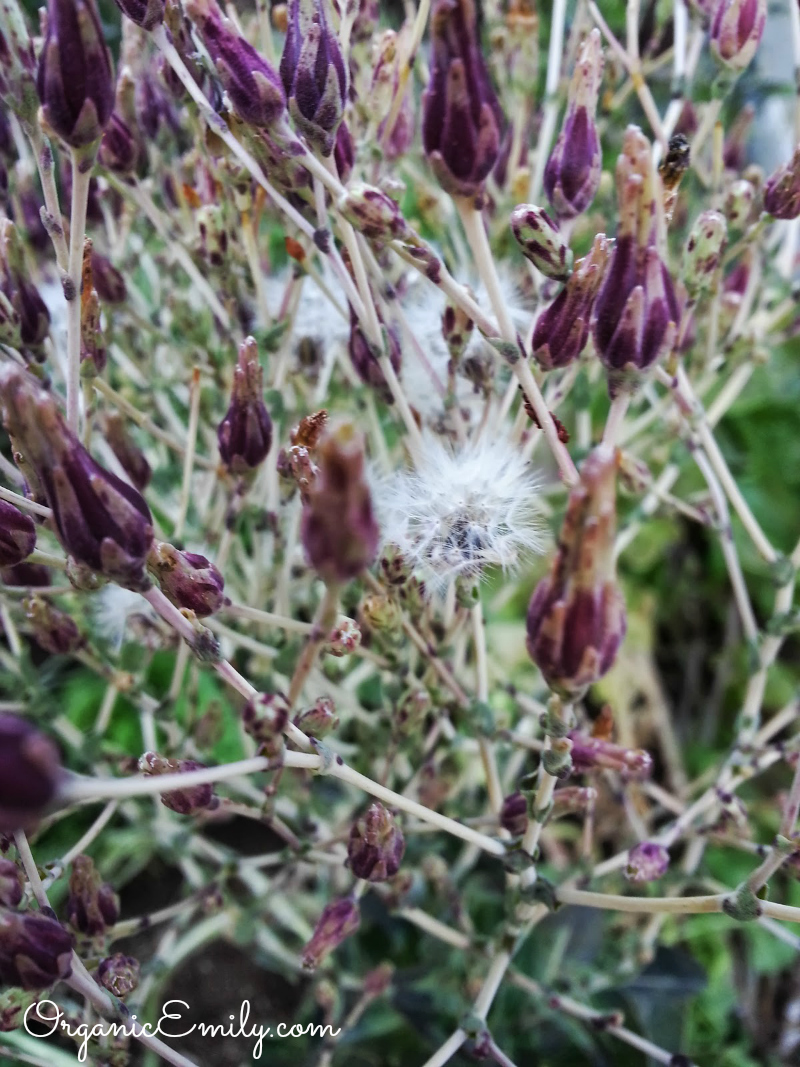
Seeds in Fuzzy Flower Head

In this picture you can see the flowers in a little more detail.  The ones that look fuzzy are an indication that the seeds inside are ready to harvest!  Notice they are similar to dandelion flowers going to seed.

Pulling Seeds Out of Flower Head

Simply pinch and pull the fuzzy flower off the stem and at the bottom you will see little seeds.

Available Seeds from Lettuce

Here they are!  These little babies can be planted now during the first 20 days of August or they can be saved for next spring.  Be sure to save them in a moisture free velum or parchment envelope.  I get my envelopes from www.dianeseeds.com

Brocolli Seed Pods on Plant

Can you guess what plant this is?  It’s one head of Walthom broccoli I let go to seed.  Notice the plant looks dry and dead.  This is what you want when harvesting  these dry seeds.  The head of broccoli produces flowers that produces pods.  This is the case for all cruciferous plants including kale, cauliflower and cabbage.

Brocolli Seed Pod

Here’s a closer look at all those pods!  That’s a lot of seed production from one plant!

Open Brocolli Seed Pod

Inside the pods are the seeds.  You can get up to 20 seeds in one pod depending on the size.

Saving Sweet Pea Seeds

The concept with saving peas is the same.  Allow the pod to get big and dry as paper!  Then harvest them for saving seed!
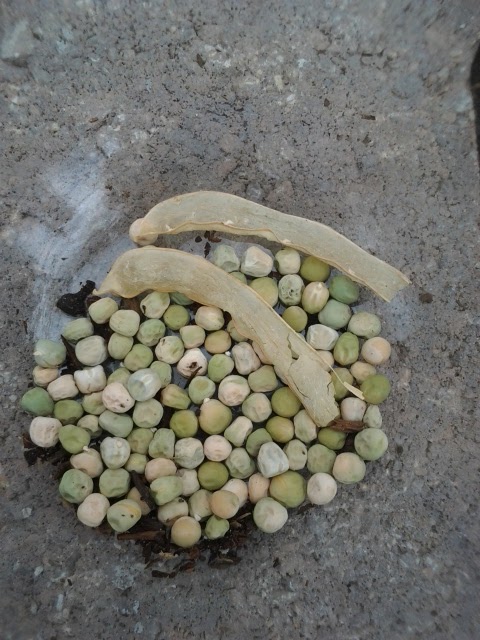
Shelled Sugar Pea Seeds

The seed pods should be easily opened.  You want to find very dry wrinkled seeds!  Save them in a cool dark place or plant them in the ground by July 20th for a fall crop.

There are many other crops that produce “dry” seed their first year like spinach, radishes, cilantro (best sown in fall and harvest seeds in early summer), and other herbs like dill and basil if allowed to go to seed.  Then there are plants that produce seed their second year.  These plants are considered biannual.  They include parsley, carrots, kale, Swiss chard, onions, beets and other root vegetables.  Leave those in the ground for a second year and they will produce seed.

Planting a Fall/Winter Crop

Seeds

If you think it’s too late to grow a garden this year, think again!  You can still plant cold crops and this month is the time to do it!  Cold crops are anything you planted in March and April like leafy greens and root vegetables.  Some of the seeds I just planted this week are from seed I have saved myself and others are from my local nursery.

Crops that can be planted August 1st-20th in Utah
Peas – plant July 20th
Chinese Cabbage
Broccoli (from starts)
Carrots
Spinach – September 1st
Kale
Lettuce (again)
Cabbage (from starts)
Swiss Chard
Turnips
Kohl Rabi
Beets
Parsley
Leeks
Green Onions
Radish – September 1st
Garlic – plant mid September
Cilantro
Dill
Any Perennial Herbs

Prepared Garden Bed

Prepred Garden Bed 2

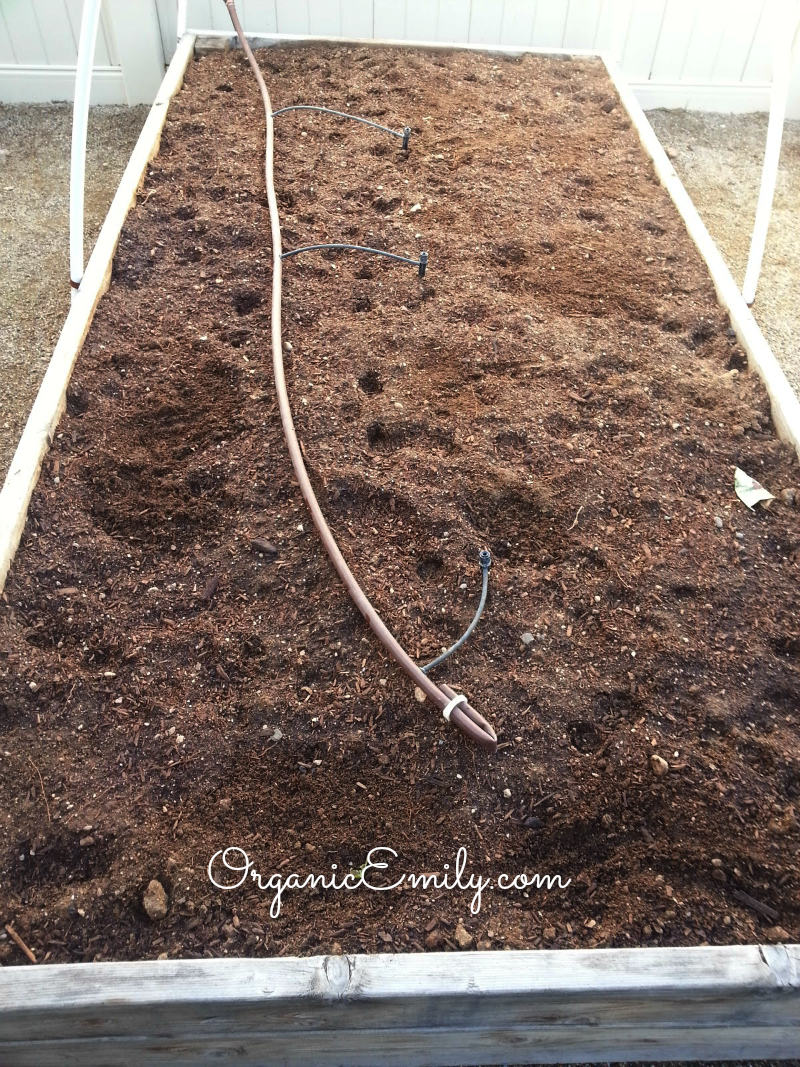
Here are a few of my beds I have prepared for fall planting.  In the first picture I had potatoes.  I harvested them all and then amended my soil with good organic compost and a granulated organic fertilizer.  I planted all my root veggies in the first box like rutabaga, turnips, carrots, beets and some Swiss chard (these are not part of the potato family so I’m good on rotating crops).

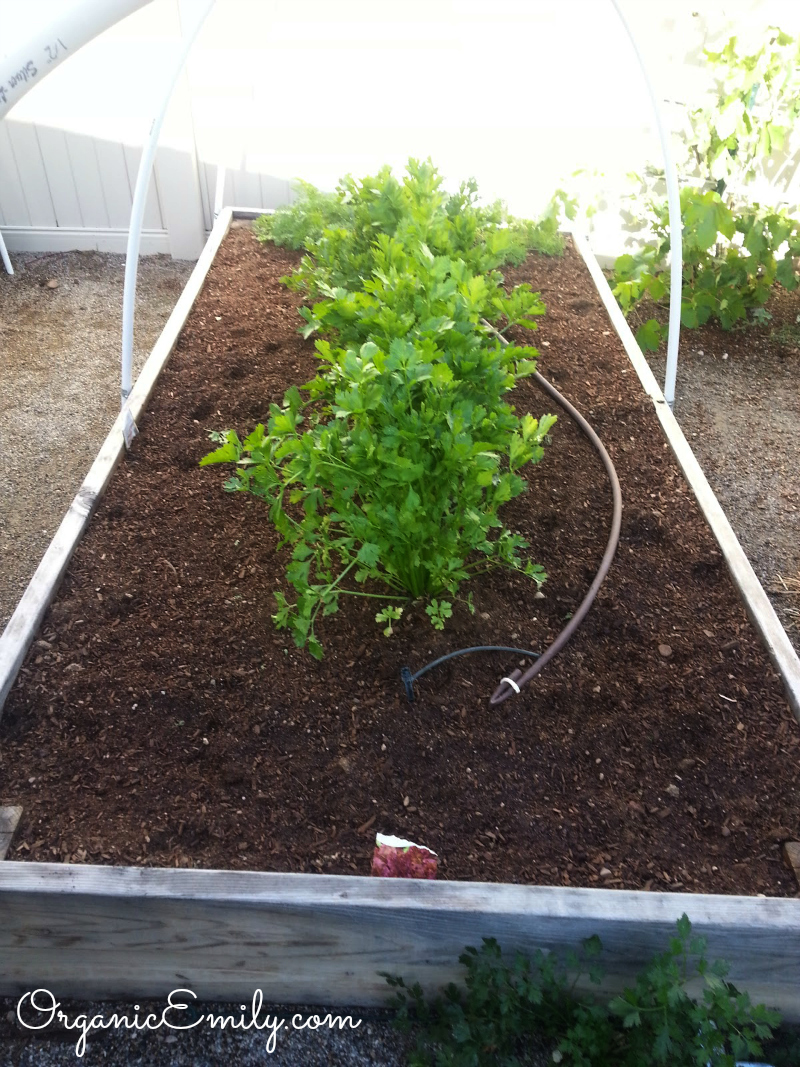
The second has celery in the center of the box I left from growing this spring.  It will last all through the fall if I protect it from frost.  I just harvested all my carrots and beets I grew around it and got it ready for planting.  Around the celery I planted 4 different kinds of lettuce, red leaf, butter head and a few loose leaf varieties.   In other boxes where my lettuce is going to seed I will plant my broccoli from starts growing in my basement.  I also have a place for spinach and kale too.  And of course I like to throw down lots of cilantro and dill seed all over as companion plants.

Be sure to look for my up coming post on how to make a Hoop Frame to keep those veggies going through the winter!

Growing and Using Medicinal Herbs: Catnip

Catnip

Growing Catnip

This easy to grow perennial is very aromatic and can grow up to 4 feet tall.  It likes well draining soil but will grow in most soils.  It is a family member to the mint family.  Some people like the smell and some not so much.  Although, we do know that cats love it so much that they seem to go into a trance over it!  It likes regular watering and partial sun, but can take full sun too.  It grows natively in abundance in the mountains.  I gather the native leaves up by the family cabin every year.  Cut back the plant when it reaches 8 inches or more to harvest the leaves.  It will continue to grow and produce all season long like mints do.  It is also a natural pesticide and herbicide.

Using Catnip

Catnip is best used in a tea form.  Many people drink catnip tea to help relieve digestive problems like flatulence/bloating.  It is very safe for babies with colic/teething and is found in many tinctures along with fennel.  I have had great success with my colicky babies using Dr. Christopher’s Kid-e-Col.   Catnip is also very good for relieving tension (including headaches), stress, nervousness and restlessness.   Many sources say to not use catnip during pregnancy or during periods because it can cause heavier bleeding.

Growing and Using Medicinal Herbs: Nettle

Stinging Nettle 1

Growing Nettle

Nettle grows wild throughout the US and Canada in rich moist soil and dappled sunlight.  It loves to live near the mountainous streams and rivers.  I personally don’t grow it because of it’s stinging needle like protrusions found on the undersides of the leaves and stems, containing formic acid, the same acid found in bee and ant stings.  I have little children that I know would get into it and besides it’s so easy to get it up at the family cabin.  If you do decide to grow nettle, be sure to contain it because it is a rapid grower, sending runners everywhere, similar to raspberries.  Notice the narrow jagged leaves in the picture above.  When harvesting be sure to wear gloves and do it at the beginning of summer before the plant sends out blossoms that look like small string like strands.  Dry the leaves in a brown paper bag out of direct sunlight or on the lowest setting of a food dehydrator.

Using Nettle

Nettle has a great history of multiple uses including remedies for anemia, rheumatism, menstrual issues, allergies, skin problems and gout just to name a few.  It can be used as a tea, cooked and eaten or infused in a tincture.  The ancients Romans cultivated Nettle more than any other crop and used it in abundance for food, medicine and clothing.  Many claimed that nettle material was finer than cotton or linen.  They also used the raw leaves to flog arthritic/swollen joints.  The welts and rash left by the fresh nettle leaves was reported to improve circulation and relieve aches and pains.  Although this treatment sounds barbaric, it is still used and can be as effective as drug treatments practiced today.  Personally I have brushed up against some nettle in the mountains and one little touch can be very painful, I can only imagine the relief that must come after the sting is gone…

On a more positive note, nettle has some of the broadest array of vitamins and minerals.  Nettle tea is often used to help alleviate “growing pains” in children.  It has also been known to build energy when used as a tonic/tea on a regular basis.  This herb makes an excellent and nourishing drink/tea used throughout pregnancy.

Creamy Nettle-Potato Soup

Try this nourishing soup the next time you harvest fresh nettle.  It’s especially good for those recovering from an illness.

1 T. olive oil

1 large onion, chopped

3-4 Yukon gold potatoes, chopped into small cubes

2 quarts organic vegetable or chicken broth

several large handfuls of fresh nettle

Grated Parmesan cheese

Sea salt and freshly ground black pepper

Warm the oil in a large dutch oven.  Add the onions and potatoes and saute for about 10 minutes.  Add the broth and bring to a boil.  Lower the heat and simmer until the potatoes are soft.  Add the fresh nettle leaves.  Blend in a blender or food processor until almost smooth.  Add cheese, salt and pepper to taste and enjoy!

Growing and Using Medicianl Herbs: Feverfew

Feverfew Plant

This plant looks very similar to chamomile.  However it smells very different and it’s leaves are more broad and not feathery like chamomile is.  It’s a very pretty tender perennial in the garden and grows well in sunny areas.  It reseeds itself very well and is drought tolerant, making it a great plant to grow here in Utah.   It’s flowers and leaves are harvested just as they open up and dried for use.   Feverfew should be avoided by those who are allergic to the daisy family.

Medicinal Benefits

Feverfew has many known benefits.  It has been used from the beginning of the century to help alleviate migraine headaches.  It is also good for fatigue, arthritis, inflammation, menstrual discomfort and fever.  Feverfew is not to be used during pregnancy.

Using Feverfew

  • Feverfew is best used as a tea.  Steep the dried flowers and leaves in hot water for 10 minutes.  It’s flavor is not pleasant, however there are many who will drink it regardless to relieve pain.  Drink 2x a day for acute migraines.  You should be able to feel a difference within a week of using.  The tea can also be used for mild anxiety and depression.
  • A tincture can also be made with feverfew.  Place dried flowers and leaves in a glass jar with a lid.  Fill the jar with 80 to 100 proof vodka and cover plant material by 1-inch.  Cover with lid and place on counter.  Shake everyday for 4 weeks.  Strain and place back in a clean jar or amber dropper.  Take 4-6 drops every half hour to relieve pain.
  • Feverfew cream can also be used for topical use.  This would be good for inflammation, arthritis and joint pain.


Albion Basin Wild Flower Identification

Trail Landscape

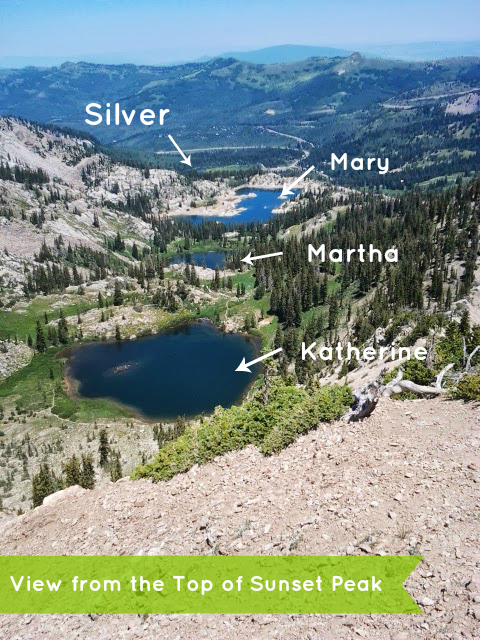
Fridays are usually my field trip days with the kids.  We have been doing quite a bit of hiking this summer with my parents and have seen some amazing sights here in our beautiful state!  Over the past weekend we went up to Albion Basin (Little Cottonwood canyon just past the Alta ski resort).   I have to say it was by far my favorite hike this year and full of more wild flowers than you can imagine!  If you want to go hiking do it soon before the blooms are gone!  We hiked all the way up to the top where the trail takes you to an overlook of Katherine lake down into Big Cottonwood canyon.  It was a very doable 1 mile from where we started.  We decided to take another trail just .5 of a mile to Sunset Peak to overlook all 4 lakes down in Big Cottonwood; Katherine, Martha, Mary and Silver!  It was breath taking!  Here are some of my favorite blooms I identified along our walk.  There are a few that I loved and didn’t know the names for.  If you can identify them, I’d love to know what they are! 🙂

Arnica

Arnica – this native flower was growing in fields along side the mountain and is part of the daisy family.  It’s flowers are used fresh or dry to infuse oil for sore muscles, bruises and swelling.

Aster

Aster – usually a fall bloomer in the valley

Catnip in Full Bloom

Catnip – part of the mint family and is great used medicinally as a digestive aid.  It can also be used to relieve tension.

Columbine

Columbine – this flower is always prettiest in the mountains to me!

Creeping Phylox

Creeping Phlox – we found this one at the very top in very sandy soil.  It’s fragrance was very close to a gardenia!

Dandilion

Dandelion – this flower is more than just a weed!  It’s leaves are edible and sweetest before the flowers come on.  It is a known diuretic and liver cleanser.

Elephant Flower

Elephant Flower – these little flowers are so fun!  Can you see the resemblance of an elephant trunk?

Fire Flower

Fire Flower – this flower is the first to grow and bloom after a forest fire, hence it’s name!

Forget-me-not

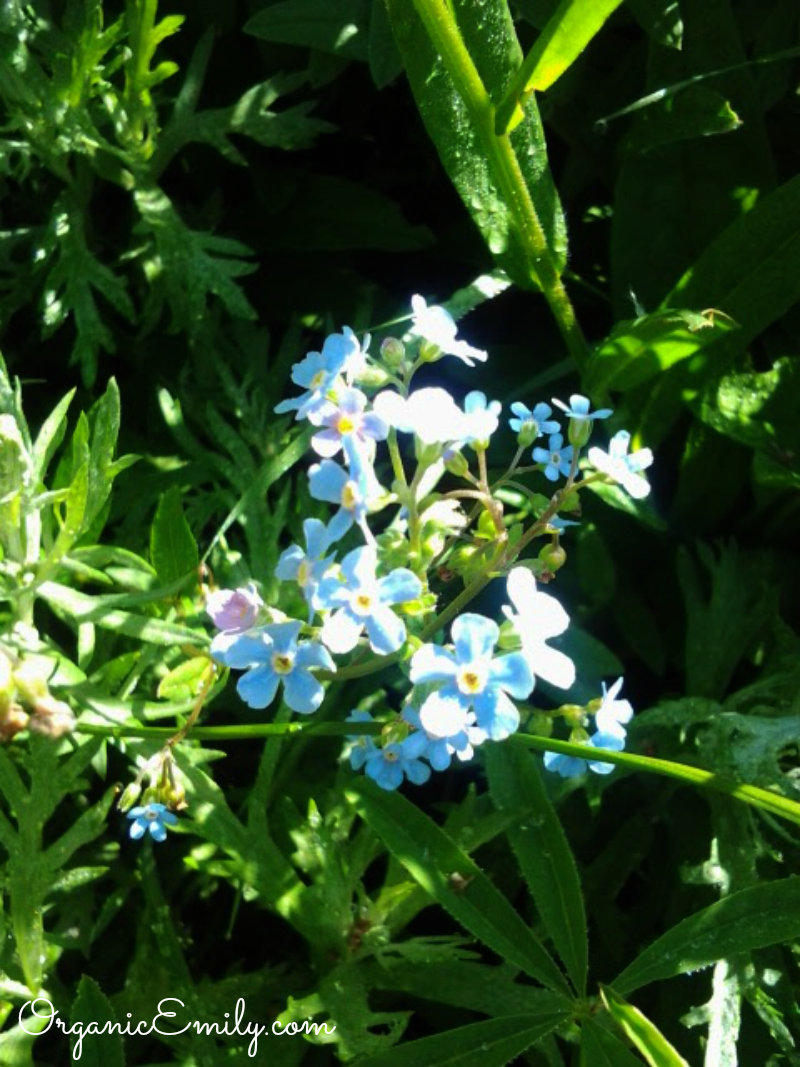
Forget-me-not – These dainty little blue flowers are so small they are almost forgotten.  Look for some the next time you go hiking, they grow everywhere!

Indian Paintbrush Collage 1Indian Paintbrush Collage 2

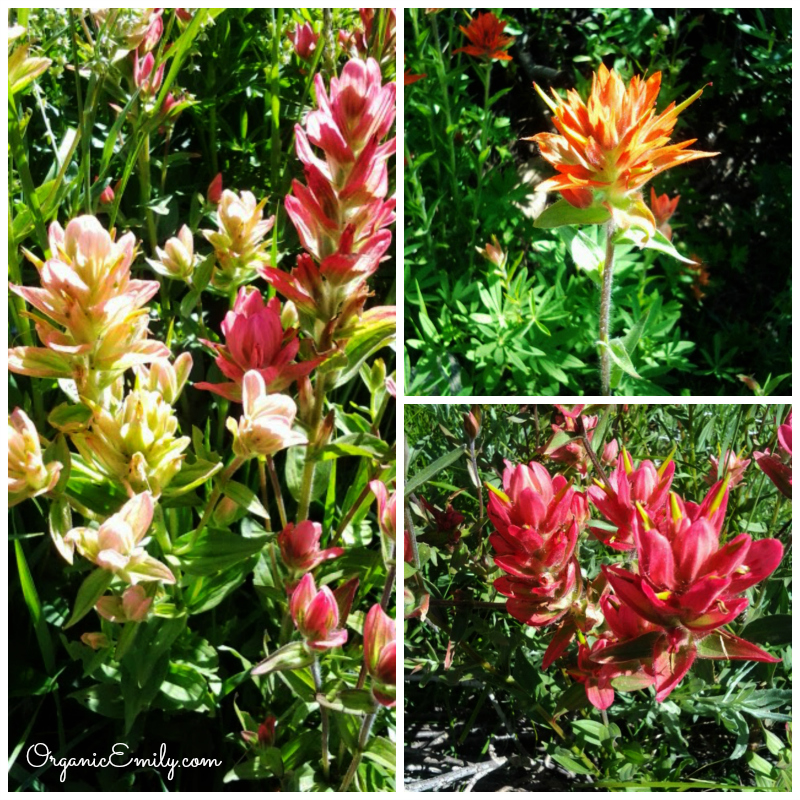
Indian Paintbrush – I have never seen such variety of Indian Brush in my life!  Look at all the beautiful colors!  Certainly one of my favorites!

Jacob's Ladder

Jacob’s Ladder – this flower gets it’s name because of the way the leaves are placed along the stem going up like a ladder.  It’s white flowers are very attractive too!

Lupine

Native Lupine – this flower has a beautiful blueish purple blossom.  You can always tell the plant is lupine from it’s 6 fanned leaves.

Mountain Bee Balm

Mountain Bee Balm – I am not 100% sure this is wild bee balm, but it looks pretty close.  You can see one of the buds blossoming.  They almost look very closely related to a clover too.

Mountain Blue Bells

Mountain Blue Bells – These pretty little flowers grow best in dappled sun light and close to water.  They come in blue and pink colors.

Penstomen 1 Penstomen 2

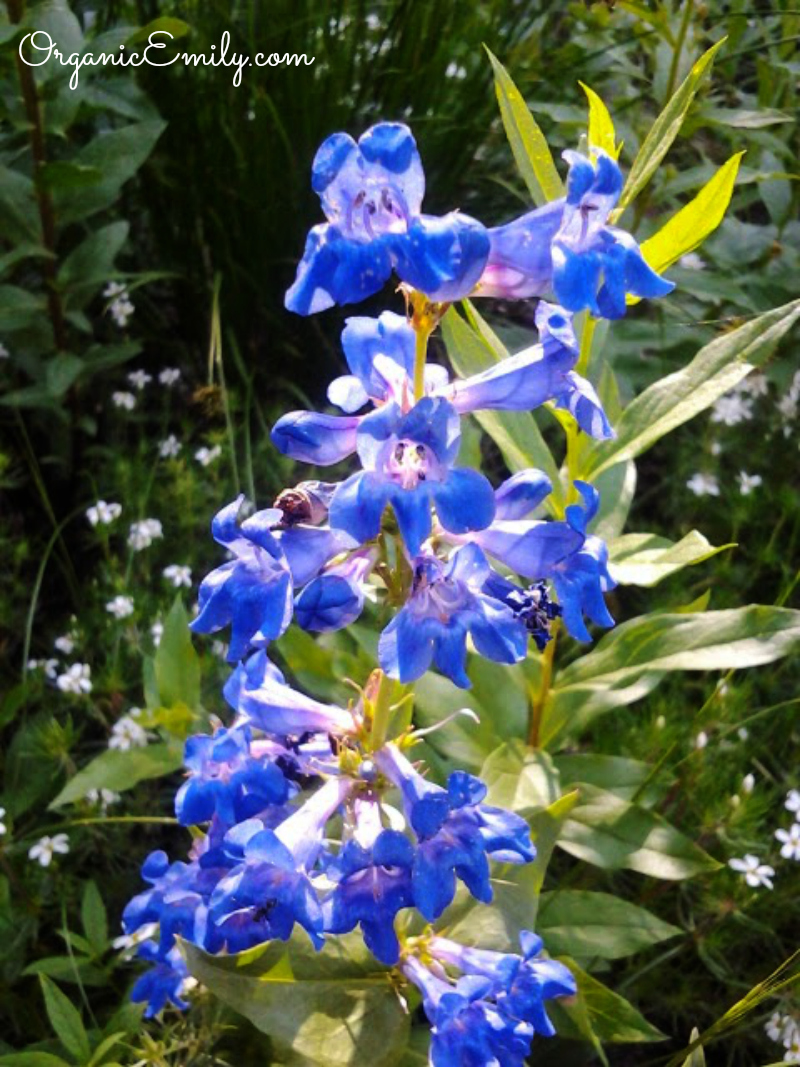
Penstamen – this plant has hundreds of varieties!  They come in all shapes, sizes and colors!  Google penstamen and see what you come up with!

Rocket Flower

(Sky) Rocket Flower – perfect name don’t you think?

Valarian 1 Valarian 2

Valerian – this fragrant bundle of flowers is heavenly to behold!  It’s roots are used medicinally as a sedative.

Wild Flax

Flax – this flower grows natively all over Utah.  It’s seeds are used for culinary purposes and have many health benefits.

Wild Pink Geranium Wild Purple Geranium Wild White Geranium

Wild Geranium – this flower comes in mostly white and purple, but you can occasionally find a pink one too.

Wild Strawberry

Wild Strawberry – this particular variety does not produce edible fruit.

Yellow Flower Mystery 1 White Flower Mystery 2

These are the two I didn’t have names for.  The white ones were all over and the yellow were more rare.  Do you know what they are?

Wild Yarrow Plant

White Yarrow – the true yarrow grown wild all over the north west.  It has been known medicinally to help with fevers, sweating and the common cold.

Lakes At the Top!

We finally made it to the top!  Thanks for going along with us on our journey!  Next time you go hiking, see how many wild flowers you can identify!

Clay Stamped Garden Markers

Clay garden markers 5

Here’s a project you can do with your kids!  Mine loved rolling the clay and stamping the letters!  These darling garden markers are reusable and weather proof because the words are stamped into the soft clay before placing them into the oven to dry.  Plan on making 18-20 garden markers with a 1lb. package of polymer clay.  We used our metal stampers from our Spoon Garden Marker project, but you can also use rubber stamps too!  The process is very simple!

You will need:

1lb. Polymer clay

Knife

Rolling pin

Metal or Rubber stamps

Jelly roll pan lined with parchment paper

275 degree oven

Clay garden markers 1

Cut the clay to make 1 inch clay balls.  Roll the balls into 5 inch logs.

Clay garden markers 2

Roll the log flat at a 1/4 inch thickness.  Cut the bottom at an angle for the marker to easily penetrate the soil.

Clay garden markers 3

Stamp the clay with metal or rubber stampers with what you plan on growing!

Clay garden markers 4

Place the soft clay markers on a jelly roll pan lined with parchment paper.  Bake at 275 degrees for 15 minutes or until the clay stiffens.  Let cool and place where needed!

Growing and Using Medicinal Herbs: Lavender

Lavender Plant

I love lavender!  It serves so many purposes both in the garden and home!  Lavender is easy to grow, beautiful, aromatic and attracts honey bees and other beneficial insects into the garden.  It is a sun loving, drought tolerant perennial and grows best in well draining soil.   Look for babies that come up every year and replant them in areas they can fill in.   You can also divide the root ball once the bush is large enough at about 3 years old.  Most types of lavender are medicinal.  Highly regarded varieties are L. officinalis and L. angustifolia.

In the home I use it with chamomile and lemon balm to make a relaxing tea or infuse a cup of lavender tea into fresh lemonade!  Lavender icing on sweet sugar cookies is quite a gourmet treat too!  It’s easy to make an infused calming lavender massage oil and headache tincture.  I’ll show you how later in the post.

Harvesting Lavender

Harvested Lavender

This week I have been harvesting my lavender buds just before they bloom into full flower.  If you harvest the flowers when they are in full bloom the medicinal properties won’t be as strong or last as long.  Dry your flower buds in a basket under the shade of a tree, or hung upside down in a cool dry room in the house or in a dehydrator on the lowest setting at around 95 degrees or lower.

Laveder Jar

Once the buds are completely dry, remove them from their stems and place in a glass jar with a lid.  Lavender has profound calming and uplifting effects.  It has been used as a mild anti-depressant for many years.  It’s also great for tension headaches and insomnia.  I always have a bottle of lavender essential oil around to use as an antiseptic.  It’s antibacterial and antifungal properties helps to keep scrapes and burns clean and free from infection.  Essential oil from the lavender plant has been known as the “First Aid in a Bottle” because it is so versatile!  It’s ability to take the sting out of a bee sting or other insect bites is unbeatable!  It even helps take the pain out of burns and cuts.  Try a few of these fabulous recipes from my favorite book by Rosemary Gladstar, “Medicinal Herbs, A Beginners Guide”.

Calming and Antiseptic Lavender Spray

This recipe is simple, extremely versatile and safe for everyone!

7 tablespoons purified water

1 tablespoon witch hazel extract

10 drops lavender essential oil

1 (4 ounce) spritzer bottle

Place all ingredients into the bottle and shake well before using.  You can use it to mist bedsheets, a car or other rooms in the house.  I like to spray it on cuts and scrapes as an antiseptic.  It’s also great for spraying on public door nobs or on hands as a cleaner.

Lavender-Feverfew  Migraine and Headache Tincture

1 part lavender buds

1 part feverfew leaf and flower

80-proof alcohol, unpasteurized apple cider vinegar or glycerin

Place the herbs in a quart jar and cover with alcohol by an inch.  Place on counter for 3-4 weeks in a visible place and shake every day.  Strain with cheese cloth and keep in a dark blue or amber bottle out direct sunlight.

To Use:

For long term use for migraine headaches, take 1/2 teaspoon 2x a day for up to 3 months.  Discontinue use for 3 to 4 weeks and them repeat the cycle.  For severe acute situations take 1/4 teaspoon every 20-30 minutes for up to 2 hours.  Do not use during menstruation because it can stimulate bleeding.


Calming Lavender Massage Oil

1 1/2 ounces dried lavender buds

4 ounces nut or seed oil (apricot, grapeseed or almond)

10 drops lavender essential oil

1 glass quart jar

Pour oil over lavender buds.  Cover with lid and let sit in a sunny warm spot for 2-3 weeks.  Strain the buds out of the oil and place in jar.  Add the essential oil and keep in a cool dry spot for up to 6 months.  Use in a bath or for massage.

DIY Garden Markers

Garden Marker Spoon 1

These durable garden markers were fun to make and not as hard as I thought they would be.  I saw this idea online and wanted to make them for my garden!  All it took was a few tools and a little muscle to pound the spoons flat.  Great for working out any aggression! 🙂  And I like that the words won’t wash off with time and weathering.

Supplies

Tools for Garden Marker Spoons

All you will need is:

  • Metal Stampers (I got mine off amazon for $15)
  • Old Spoons (second hand stores are great for this!)
  • Hammer
  • Permanent Marker (to fill in the stamped words)
  • Hard surface to hammer the spoons on ( I used an old paver)


Directions

  1. Hammer the spoons flat on a hard surface that won’t break.
  2. Stamp your spoons with the names of veggies and herbs you are growing in your garden with hammer.
  3. Color in the words with a permanent marker an wipe off leaving the words darkened and easier to see.
  4. Place in garden where needed!


Growing and Using Medicinal Herbs: Calendula

Calendula Plant

Growing Calendula

This bright and cheery flower is a hardy long standing bloomer and very easy to grow!  My calendula has even continued to bloom after the first few snow falls!  It grows best in rich fertile soil, but will grow in poor soil too.  The more you pick the red, orange or golden flowers the more the plant will produce!  I usually let a few go to seed so I can save them and replant them again in the spring.  However,theyt will self sow very easily.  When the blossoms are ready to pick they have a sticky resin on the petals which contain anti-fungal properties.  Pick the flowers when the leaves are still slightly upright.  Calendula flowers make a good companion plant for broccoli and squash families keeping the pests away and attracting beneficial insects.

Medicinal Uses

Calendula promotes cell repair and growth, healing wounds when made into ointments or salves.  The flower is noted as antiseptic and anti-inflammatory.  It can be used topically or internally as a tea to keep infections at bay.  It’s a wonderful herb for babies as it is soothing and gentle and used for diaper rash, cradle cap and many other skin irritations including sores, burns and bruises.  The tea can also be used for treating gastrointestinal problems such as ulcers, cramps, indigestion and diarrhea.  It is also known to be one of the best herbs for nourishing and cleansing the lymphatic system.  It works to assist with moving congestion out of the body along with regular exercise.  Calendula has a perfect safety record with no toxicity reported.


Picked Calendula Flowers

Calendula is best harvested and dried to use in teas and salves.  Pick the flowers just as they open on a dry sunny day, the resin will be stronger and will leave a sticky film on your fingers.  Allow the flower to dry in a basket under the shade of a tree, on your counter top over a paper towel or on the lowest setting of your dehydrator.   Once dried you can make your own solar infused calendula oil.  Also be sure to let some go to seed so you can grow them again next year.  Simply allow the flower head to completely dry before harvesting seeds.  Keep them in a cool dry place inside a velum or paper envelope.

Calendula Oil

Calendula Oil

To make calendula oil fill a glass jar 3/4 full of dried flowers.  Fill the jar with olive oil to cover the buds by an inch and cover with a lid.  Place in a sunny, warm spot and let the herbs infuse from the sun for 3-4 weeks.  For double strength strain the oil and fill the jar again with more buds and put the oil back in the jar.  Start the process over again for another 3-4 weeks.  Once finished strain a last time and keep in a cool, dark place.  It will keep for a year in the refrigerator.   It can be massaged topically to the skin or can be made into a salve.


Calendula Salve

1 cup calendula salve

1/4 cup beeswax, grated

4-6 drops lavender essential oil

Warm the oil and beeswax over a very low heat until melted.  Check for consistency by dipping a spoon in the salve and placing in the freezer for a few minutes to see how it sets up.  If you want a firmer salve add more beeswax.  If you want it softer, add more oil.  Add the lavender essential oil which adds an antibacterial, antifungal and antimicrobial properties to the salve.  Mix quickly and pour into small jars or tins.  Let cool, put the lids on and storein a dark cool place.

To Use

Apply salve generously to treat skin rashes, wounds, cuts, diaper rashes or cradle cap.