Growing and Using Herbs: Basil

    Sweet Basil

There are so many different kinds of basil to grow these days!  All beautiful and uniquely fragrant!  I grow lots of it!  In fact I grow it everywhere I can!  It’s even pretty enough to grow in flower beds, enhancing the aroma and keeping pests away!  I usually buy a few starts to get a head start on the harvest, but this year I started my own seeds under lights and grew more, directly sowing them into the ground as a border around some of my vegetable beds.  I am now harvesting from my larger plants, throwing it into green salads, pastas and making fresh pesto (see recipe below)!  Basil is a sun loving, tender annual herb and needs to be planted by starts or seeds after the danger of frost has past.  Usually around the middle of May.  Be sure to cut the flowers off so the plant doesn’t go to seed extending the leaf growth all season long!

There are many health benefits to basil some include protection from certain cancers because of it’s high levels of flavonoids and anti-oxidants, protecting our body from free radical damage and cholesterol.  Basil is also an excellent source of magnesium, improving blood flow, and promoting cardiovascular health and well being.  Essential oils found in basil have long been effective as organic alternatives in treating dry skin, acne, psoriasis and even ear infections.  Basil’s not just an herb to sprinkle on spaghetti, basil has important antibacterial properties. When applied to the skin or surfaces, basil fights back against bacteria and so much more.   Not just any old herb, basil’s got anti-inflamatory properties second-to-none that can provide much-needed relief from all kinds of conditions, including inflammatory bowel disease (IBD) conditions. Basis is also reportedly helpful in treating constipation, indigestion, stomach cramps, and more.

Harvesting Basil

Cut Basil

When harvesting basil cut 1/4 of an inch above the first or second main stem where it begins to branch out.  This will force the outside stems to grow bigger, allowing for more harvest later!  Be sure to not cut off anymore than a 1/3 of the plant to allow enough energy to keep the plant alive.  Cutting basil on a regular basis will help encourage more growth!

Other varieties I grow in my garden!

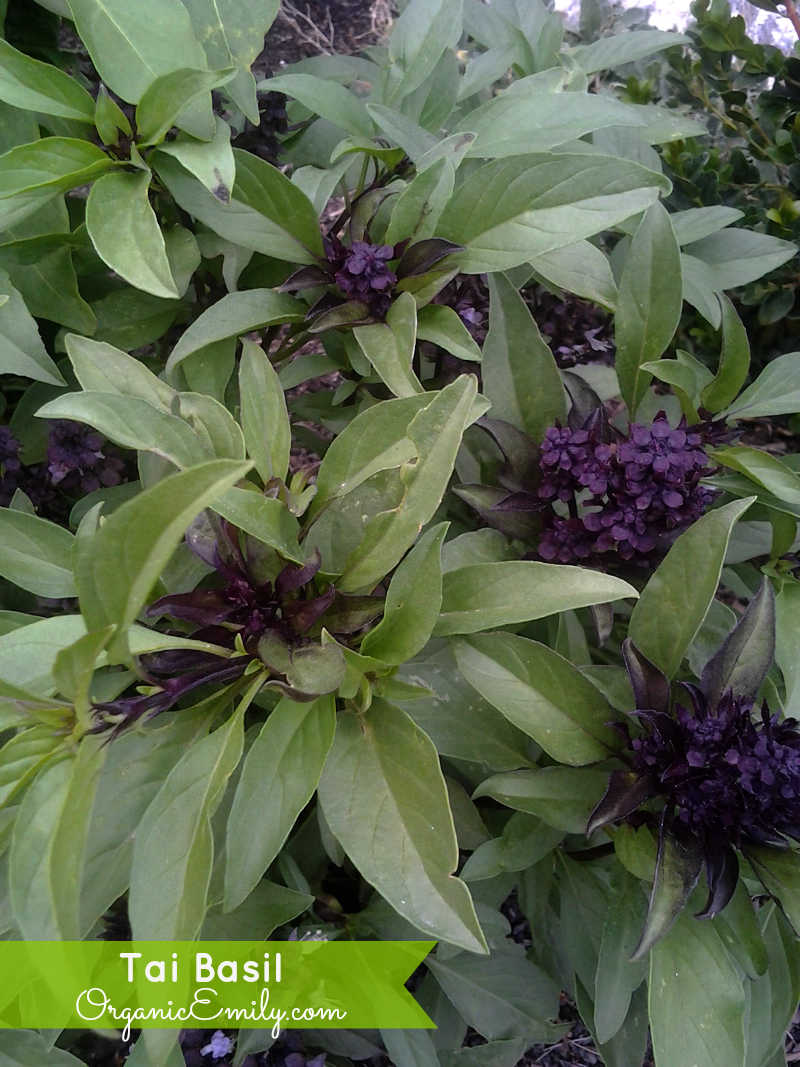
Tai BasilCinnamon BasilLemon BasilSweet Basil

Fresh Basil Pesto

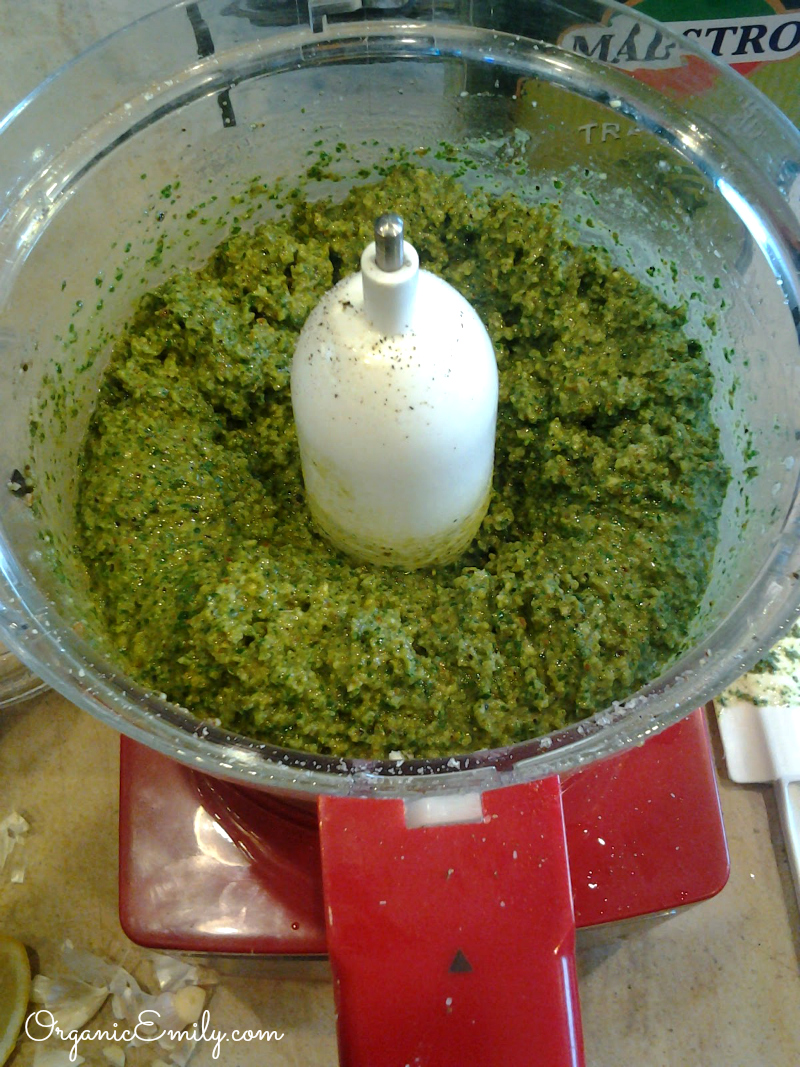
Basil Pesto

Freshly made basil pesto is a little piece of heaven in my kitchen!  The fragrance and flavor are hard to beat and only seasonal which makes it even more beloved!  This simple recipe is perfect for so many different kinds of recipes!  Try putting it on pasta, pizza, bruschetta, tomatoes, other veggies, sandwiches and crackers.  There are endless possibilities!


Recipe

 In a food processor blend 1 cup almonds or other desired nut.  I prefer almonds because they are mild in flavor and less expensive than pine nuts.

While processor is going add 4 cups packed fresh basil leaves

Add 1 cup olive oil to keep the mixture from sticking.
Add 2-4 cloves garlic
1 cup good Parmesan cheese
Juice of 2 lemons
Sea salt and pepper to taste.
If you like your pesto a thinner consistency, add more olive oil.


Summer Fruit Crostata

Summer Plum , Peach and Berry Tart

This recipe is worth making at least a few times during the summer!  I love that I don’t have to worry about forming the crust into a particular shape.  It’s pretty the way it’s folded over the fruit giving it a rustic natural look.  The hint of orange zest with a butter strudel and stone fruit is just heavenly!  This recipe is from Barefoot Contessa’s cookbook “At Home”.

Recipe

For the pastry (makes 2 crostatas)

2 cups all-purpose flour

1/4 cup organic sugar

1/2 sea salt

2 sticks butter cold and diced

6 tablespoons ice water

For the filling (makes 1 crostata)

1 pound firm ripe peaches, peeled and sliced

1/2 pound firm, ripe black plums, unpeeled and sliced

1/2 pint blueberries

1 tablespoon all-purpose flour

1 tablespoon organic sugar

1/4 teaspoon orange zest

2 tablespoons orange juice

For the topping (makes 1 crostata)

1/4 cup all-purpose flour

1/4 cup organic sugar

1/2 stick butter, diced

For the pastry, place flour, sugar, and slat in the bowl of a food processor fitted with a steel blade.  Pulse a few times to combine.  Add the butter and toss quickly with your fingers.  Pulse 12 to 15 times, or until the butter is the size of peas.  With the motor running, add the ice water all at once through the feed tube.  Keep hitting the pulse button to combine, but stop the machine just before the dough comes together.  Turn the dough out onto a well-floured board, roll it into a ball, cut in half, and form into 2 flat disks.  Wrap the disks in plastic and refrigerate for at least and hour.  If you only need one dough, freeze the second disk.

Preheat oven to 450 degrees.  Line a sheet pan with parchment paper.


Rustic Plum Tart dough

Roll the pastry into an 11-inch circle on a lightly floured surface.  Transfer it to the sheet pan.


Rustic Plum Tart 1

For the filling, cut the peaches and plums in wedges and place them in a bowl with the blueberries.  Toss them with 1 tablespoon flour, 1 tablespoon sugar, the orange zest and orange juice.  Place the mixed fruit on the dough circle, leaving a 1 1/2-inch border.


Rustic Plum Tart 2

For the topping, combine the 1/4 cup flour, 1/4 cup sugar and 1/2 stick butter in the bowl of a food processor fitted with a steel blade.  Pulse until the mixture is crumbly.  Pout into a bowl and rub it with your fingers until it starts to hold together.  Sprinkle evenly over fruit.  Gently fold the border of the pastry over the fruit, pleating it to make an edge.

Bake the crostata for 20 to 25 minutes, until the crust is golden and the fruit is tender.  Let the crostata cool for 5 minutes, then use 2 large spatulas to transfer it to a wire rack.  Serve warm or at room temperature.


Spaghetti with Sweet Corn Basil Relish

Spaghetti with Sweet Corn Basil Relish

Recipe

I modified this recipe and made it my own by adding a bit more sweetness to the dressing and basil from the garden!  It’s perfect for summer, not to heavy, but filling for a vegetarian main dish!

1 package of whole wheat spaghetti, cooked

4 fresh organic corn ears, husked with kernels removed (sliced off ear)

1 can mixed beans, drained and rinsed

1 small cucumber, diced

1 small onion, finely chopped

2 stalks celery, finely chopped

1 large sweet red bell pepper, chopped

1/2 cup fresh chopped basil

1/3 cup apple cider vinegar

1/3 cup olive oil

2 tablespoons organic sugar, agave or honey

1/2 teaspoon sea salt

1/2 teaspoon dry mustard or 1 teaspoon fresh Dijon mustard

1/2 teaspoon celery seeds

Mix corn, cucumber, onion, celery, pepper and basil in a large bowl.  In a small bowl whisk together apple cider vinegar, olive oil, sugar, salt, mustard and celery seeds.  Add the pasta to the bowl and drizzle dressing.  Toss until lightly covered and serve or refrigerate for up to a day.


Fresh Herb Garlic Bread

Fresh Garlic and Herb Bread

I have many people tell me they would grow more herbs if they knew how to use them!  Well, here is another wonderful recipe you will be so glad to try!  The flavors are unbelievable!  A perfect addition to any meal!  This recipe comes from Barefoot Contessa’s “Back to Basics”.

Fresh Herb Garlic Bread

6 large garlic cloves, chopped

1/4 cup chopped parsley

2 tablespoons fresh oregano leaves, chopped

1 teaspoon kosher salt

1/2 teaspoon freshly ground black pepper

1/2 cup good olive oil

1 large loaf of ciabatta bread or 2 small

2 tablespoons butter at room temperatire

Preheat the oven to 350`.  Place the garlic, parsley, oregano, salt, and pepper in the bowl of a food processor fitted with the steel blade and process until finely minced.  Heat the olive oil in a medium saute pan over low heat.  Add the garlic and herb mixture and cook for 3 minutes, until the garlic is tender but not browned.  Remove from the heat and set aside.

Cut the ciabatta in half horizontally, running a serrated knife parallel to the board.  Spoon the garlic mixture onto the bottom half and spread the butter on the top half and place together.  Wrap the bread in aluminum foil and place on a sheet pan.  Bake the bread for 5 minutes.  Unwrap and discard foil, bake for another 5 minutes.  Slice crosswise and serve warm.

Harvesting Onion Seeds

Green Onion in Bloom

This week in the garden I am harvesting my scallion seeds planted from last fall.  All onions among other vegetables like carrots, parsley, Swiss chard, kale and beets to name a few, produce seed their second year.  They are considered biannual.  If these plants produce seed in their first year discard them, for they are not viable.  In order to save seeds every year, try planting a fall crop of these varieties and allow to grow and go to seed in the early summer the following year.  Replant again in the beginning of August and start again!  The seed saving process is very simple.  As you can see from the picture above, my sweet little honey bee is collecting pollen from the blossom.  I had bees all over my onion blossoms this year!  They loved them!  Once the flower starts to dry it will produce seeds within the head.

Onion Seeds

In the picture above you can see the flower head dry and starting to open to release little black seeds.  When you can see the seeds clearly it is time to harvest.

Onion Seeds 2

On a glass plate gently tap the picked dry flower head to loosen the seeds.  They will come out easily.  Allow the flower head to sit on the counter overnight.  In the morning you will notice more pods opening up to release more seeds.  Grow more scallions from seed again in the fall or share with friends.  Store in parchment envelopes or wax paper for later use.  Keep the seeds in a dry, dark cool place.

Growing and Using Medicinal Herbs: St. John’s Wort

St. John's Wort Plant

St. John’s Wort is a sun-loving, hardy perennial, which prefers a more dry soil.  However, it isn’t too picky and will adapt in most places.  It grows best in zones 3-9 and prefers a Ph of 6 to 7, making it an ideal medicinal plant to grow in Utah.  There are many hybrid forms of St. John’s Wort that look pretty and provide pollen for honey bees, however, they do not hold the medicinal properties like the species H. perforatum.  When gathering the fresh flowers for use, make sure it is on a sunny day when the buds have just opened.  I usually go out every morning and the new ones that have just opened over night.  You can tell they are ready because they will leave a reddish purple stain on your fingers.   The optimum window for harvesting is usually mid June to the first of July.   Some say that the peak of harvest is on June 24th!  I have found that I can get a little more as I continue to pick the blossoms on a regular basis.  This is another great one to attract honey bees and other pollinators.

Medicinal Uses

  • St. John’s Wort can be very effective for treating mild depression, anxiety, stress, tension and nerve damage.  Like many herbs it needs to be used over a long period of time to feel the full effects, usually  2-3 weeks at a time.  It is known that the hyperforin found in the plant is an important constituent contributing to emotional stability by slowing the uptake of the “feel good” neurotransmitters like dopamine, serotonin and noradrenaline, allowing them to circulate longer in the body.  A word of caution to some who may become sensitive to the sun.  If this is the case discontinue using St. John’s Wort and soak in the vitamin D instead!
  • St. John’s Wort is also know to be an anti-inflammatory, anti-bacterial, and anti-viral, which makes it useful for treating bacterial and viral infections like shingles and herpes.
  • St. John’s Wort red rich oil is made from the fresh flowers and is a very good remedy for trauma to the skin.  It can be applied topically to soothe and heal bruises, sprains, burns, and injuries of all kinds.  It also relieves pain and promotes healthy tissue repair.  I add garlic to my St, John’s Wort oil for earaches too!


St. John’s Wort Recipes

St. John's Wort and Garlic Oil

As I have gathered St. John’s Wort fresh flowers and buds every morning I have simply kept adding them to the oil.  Eventually it will turn a beautiful deep red.  This particular oil has garlic added to it.  Making it a great oil for earaches.  You can certainly make it just with St. John’s Wort too.  The best ratio between buds, flowers and leaves for the oil is to use 70% buds and 30% flowers and leaves.  Cover the flowers and buds with an inch or two of oil.  I like to use olive oil.  Set in a sunny window for 2-4 weeks.  The deeper the red color, the more powerful the medicinal properties will be.  When it’s ready strain and bottle.

To Use:

To use simply spread the oil over a burn, bruise, cut or other skin injury.  It can also be used with garlic for an ear oil helping with pain and infection. Use 2-3 drops 3-4x daily.

Another great oil can be made for a skin salve.  Use 1 part calendula flowers, 1 part comfrey leaves, 1 part St. John’s Wort leaf and flower.  Cover with olive oil by 1-2 inches and let steep for 2-4 weeks.  Strain and bottle.

For each cup of medicinal oil, use 1/4 cup beeswax to make a salve.  Heat the oil and beeswax together, until the wax is melted.  Be careful it is extremely hot!  Test to make sure it is the consistency you want, by taking a small spoon, dipping it into the mixture and then putting it into the freezer for a few minutes to see how it sets up.  If you want it softer, add more oil.  If you want a more firm salv,e add more beeswax.  It’s very simple.  Once it is the consistency you desire add it immediately to jars and keep in the refrigerator for storage.


St. John's Wort Tincture

St. John’s Wort tincture  can be made with either vegetable glycerin or an 80 or 100 proof alcohol like vodka.  I like to use vegetable glycerin for my family and the vodka for long term storage.  The glycerin tinctures last only 2-3 years.  Tinctures made with alcohol can last a very long time.   This picture shows the beautiful red medicinal properties being pulled out of the flowers within just a few hours from the alcohol.


St. John's Wort prep for tincture

Place freshly picked flowers and buds into a glass jar.  Fill with a 1:1 ratio of water and vegetable glycerin or straight vodka.  Cover with 1-2 inches of liquid and let steep on the counter for 2-4 weeks.  Strain and bottle.

To Use:

Use 1/2 to 1 teaspoon tincture twice daily for 3 weeks. Or alternately for 5 days on and 2 days off.  This is especially good for those who struggle with mild depression from the darker days in the winter that comes with the changes of the seasons.  Be sure to stay active and get as much sunshine as possible.  It can also be used for pain in the same way.

Organic Fertilizers and the Health of Our Soil

Organic Fertilizers

The soil in our garden is an entirely different world then the one we live in.  Hopefully filled with micro-organisms actively moving and alive!  Recent work and research done by Dr. Elaine Ingham, a soil microbiologist, has found that the use of toxins, including chemical ferilizers actually harm the good microbes found with in the soil that help control the bad ones, including unwanted diseases.  We can liken it to the over use of antibiotics within our own bodies.  Many of these drugs as we know have been over prescribed and over used to the point now that we have to use stronger strains to kill off the “bad” bugs that live within our own systems when we get sick.  Unfortunately, we also kill the “good” bacteria too, leaving our system vulnerable to more problems if left unattended without a proper diet and efforts to put those “good” bugs back into the system.

Dr. Ingham’s work was recently discussed in one of my favorite books on soil called, “Teaming with Microbes”, by Jeff Lowenfels and Wayne Lewis.  What they found was that the chemical fertilizers actually killed off the microbes within the soil that protected the root systems of the plants and chased away the larger animals like lady beetles and praying mantis’ who keep the pests at bay.  It is possible to create an oasis so to speak for these beneficial microbes and insects to do all the fighting for us as mother nature intended, leaving us to simply enjoy gardening!  Let’s discuss some of those methods and a few organic fertilizers that help and not hinder the world of microbes.

Compost

One of the most important things we can do every year is to put down some type of good organic compost into the garden beds.  This serves a number of purposes.  Most compost is made up of small wood chips and animal manure.  There are also composts made strictly from plant sources as well like mushrooms, seaweed and alfalfa to name just  a few.  Worm castings (poop), chicken and horse manures are good options, all are high in nitrogen.  Cow manures can be used occasionally, but not often due to it’s higher levels of salts which can be toxic to the soil if over used.

  • First, the compost acts as a barrier keeping the weeds at bay.  Be sure to not plant directly in the compost because the plants need soil to grow.  The compost can be mixed in gently into the soil or moved to the side until the plant grows up enough to bring the compost back around it.  As a side not I highly recommend a fabulous documentary called “Back to Eden”, a film that can be viewed online for free at backtoedenfim.com.  It discusses the importance of using a no-till method and how this protects the micro-organisms in the soil.
  • Second, compost is full of large organic matter particles that allow for proper drainage and aeration, keeping the root system of our plants healthy.  This is particularly important here in Utah since we are very depleted in organic matter.  Most healthy soils should have about 5% organic matter, we typically have about 1% or less.
  • Third, compost is full of dense nutrients that are available to the good microbes who help to break them down turning them into food for plants!

Fish Emulsion 

Fish emulsion is an excellent non-burning plant food that comes from manufactured fish waste not used for processing.  If you don’t mind your yard smelling like the ocean for a day this can be a great option.  It is classified as an organic fertilizer because it is made from material naturally found in nature.  Long term use of fish emulsion can help improve the health and microbe complexity of soil.  It can be used for all garden beds including flower and vegetable.  It is higher in nitrogen than a lot of other organic fertilizers, up to five percent of its nitrogen is readily available, which gives plants a boost while soil microbes break down the rest.  Fish emulsion can be used every 3-4 weeks.

Blood and Bone Meal

Both blood and bone meal come from animals.  Blood meal is very high in nitrogen and should be used as directed.  Bone meal has been known to be a very good root stimulant.  It is very high in phosphorus and should also be used as directed.  I highly recommend getting your soil tested from your local extension office.  They can test your soil for nutrient count and tell you what you need and what you don’t.  This is important to know and understand because plants need different nutrients to do different things.  For example, nitrogen helps to increase leaf growth and phosphorus helps to increase flower/fruit production.  However a word of caution before just applying any fertilizer to your soil, our Utah soils are very high in phosphorus already, so not very much is needed.

Fertilizers with Beneficial Bacteria and Mycorrhizae 

There are some great organic fertilizers out there that contain beneficial soil microbes you can add to your soil for all garden beds.  For example, mycorrhizae is a beneficial form of fungi that can actually combat powdery mildew and other fungi problems.  Mycorrhizae will continue to grow year after year strengthening the soil.  They can come in powder, liquid and granulated forms.  I like a particular brand called “Garden Bloomers”  found at any local nursery.  What ever brand or source you choose be sure it’s something that won’t kill off the microbes in your soil.  A key concern with inorganic or synthetic fertilizers is that nutrients not immediately taken up by plants can cause pollution. Excess nitrogen fertilizer is a common cause for nitrate groundwater pollution. Phosphate fertilizer runoff can pollute streams, rivers and lakes by encouraging overgrowth and algae that deplete oxygen supplies and kill fish. While organic fertilizers can also cause pollution when used to excess, they are generally much safer to use because they release nutrients gradually, at a rate closer to plants’ need for them.


The Good, The Bad and The Ugly Part 2: Natural Pest Control

Lady Bug eating Aphid

During these hot summer months pest problems can become overwhelming if allowed to get out of hand.  There are 3 main controls used for keeping pests at bay:

Mechanical – Hand pick insects and eggs off plant.

Biological – Plant certain types of herbs and flowers that attract beneficial insects (this is also known as companion planting).

Chemical – Organic and non-organic chemicals are included in this category.

The struggle between whether or not to spray organic vegetables with chemicals can be a burden.  Although chemical pesticides are needed at times, they are over used and can be extremely dangerous to humans, the environment and animals.  I recommend using a chemical pesticide as a last resort to save a plant.  Be sure to read all labels carefully and discard waste as directed.

“The Bad”

In part 1 we discussed the biological pest control options by attracting “The Good” bugs into our garden.

The bad bugs, if allowed to get out of hand can turn our happy gardening experience into a frustrating nightmare!  In part 2 we will go over how to combat the “enemy” with natural pest control methods that are inexpensive and can be made from every day ingredients in our own home, keeping our garden free of chemicals!  These are my top 10 pests with natural solutions!


Snails

Snail

Snails can be detrimental to the vegetable and flower gardens.  They eat pretty much everything and fast because they can multiply quickly!  It’s best to get a handle on this pest as soon as possible since they can lay up to 100 eggs within a few days.   One of the best ways to get rid of snails is to go out very early in the morning as the sun rises and hand pick snails off plants throwing them into a soapy bucket of water or a seal-able plastic bag to be thrown into an outside garbage can.  Another way to rid snails is to put beer or a sugar/yeast and water mixture into a pie plate or tuna cans.  Dig the shallow dish into the ground so it is flush with the soil.  The snails will be attracted to the beer or sugar/yeast water and drowned.  If the infestation is really bad use snail bate, a chemical solution, that can be used to get control of the problem.


Aphids

Aphid Collage

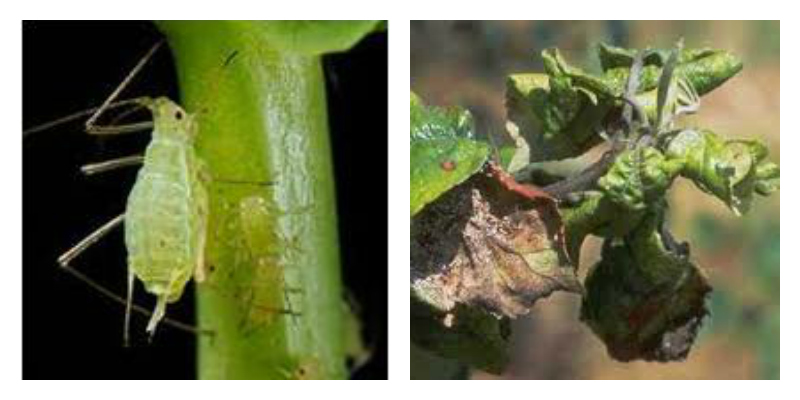
Aphids are detrimental in numbers!  A single aphid can produce up to 600 billion offspring!  As you can see from the picture above the damage of many plants can kill a plant or bring it close to death.  Some symptoms of aphids on plants are wet honeydew secretions, sticky looking leaves with hundreds of aphids on the under side of them, curling leaves and blossoms that begin become necrotic, making them turn black or even small webbing all over.  Aphids feed on sap from shoots, leaves, flowers and buds.  These little guys are too little and to large in numbers to mechanically be removed.  I like to make a homemade recipe with garlic and liquid soap to spray on them, suffocating their soft bodies.

To make the garlic spray puree 1 bulb of garlic with 1/2 cup water.  Add 2 tablespoons plant based liquid dish washing soap and cayenne pepper for a stronger concoction.  Allow to steep for a few hours or over night.  Pour the mixture through a sieve and cheese cloth.  Add more water and the garlic mixture to a spray bottle and spray!   Apply every 3-4 days until the problem is eradicated.


Colorado Potato Beetle

Colorado Potato Beetle

These voracious beetles can strip a plant down to it’s roots if uncontrolled.  They like to eat potatoes, eggplant, peppers and tomatoes.  The best way to combat these pests is to use a number of methods.  First pick as many of  the beetles by hand, rotate crops every year and use BT (Bacillus thuringiensis tenebrionis) a natural occurring bacteria that makes certain insects sick and die.  This product can be purchased at your local nursery.


Japanese Beetles, Grubs and Billbugs

Beetle Collage

These beetles are not our friends!  Especially the Japanese beetle!  It will destroy everything in it’s path!  The Japanese beetle has a beautiful coppery/green shell.  Billbugs and grubs mostly feed on turf grass.  One of the best ways to prevent this problem from occurring is to water properly by not watering too much.  For all these pest one of the best ways to control them is to use diatomaceous earth or DE.  DE is a nontoxic, organic concoction made of the fossilized remains of tiny one-celled marine animals called diatoms. Chemically, it’s almost pure silicone dioxide. To humans, DE feels really soft to the touch, but to grubs it’s like razor wire that literally shreds them as they touch it.  DE can be found at any health food store or local nursery.

Sprinkle 1/2 cup of DE to a square foot of soil or sod and mix it into the soil to a depth of about six inches. DE can cause respiratory problems, so wear a mask and work with it on a non-windy day. DE can also harm beneficial insects, such as earthworms, so use only where grubs are a problem.


Spider Mites

Spider Mite

Spider mites are microscopic and can sometimes be seen with the naked eye.  What is most prominently seen are their webs.  They feed on leaf sap similar to aphids.  Watch for speckling or bronzing color on the leaves.   The garlic spray I mentioned above is effective as well as using rubbing alcohol.  Mixing alcohol with water and spraying your plants will help get rid of spider mites naturally without damaging the plants. You can mix 1 part alcohol to 1 or 2 parts water for maximum effectiveness. You can also use a cotton ball dipped in straight rubbing alcohol to gently rub the spider mites on the bottom of the leaves of your plants that are indoors. Alcohol will kill the spider mites on contact. Remember to use this method in the evening so the alcohol will evaporate without the sun causing burn to the leaves.


Peach Tree Borer

Peach Tree Borer Collage

The dreaded peach tree borer can be difficult to fight off especially if the tree is already infested!  It can be very sad to watch our beloved peach trees slowly die overtime from this nasty pest!  In the picture on the left you can see the adult.  She will lay her eggs at the base of the tree and the larva will borer into the bark of the tree and feed on the wood.  The best way to prevent this problem from happening is to faithfully cultivate the soil 2-3 feet from the trunk out and 2-3 inches deep every 2 weeks during the late spring and summer.  This will expose the eggs to the elements and they will not be able to survive.  Planted garlic and other onion family members have been known to ward off the peach tree moth from laying eggs because of its strong odor.


Squash Bugs

Squash Bug Collage

My arch nemesis!  Squash bugs can take over in no time if you don’t know what you are looking for!  These life sucking insects literally suck the water right out of the plant in just a few hours, leaving it looking like it hasn’t been watered in weeks.  The plant leaves become droopy, necrotic and black.  A good fierce spray of the hose will bring the adults out from underneath their hiding places making it easier to hand pick them.  Be sure to have a soapy bucket of water for them to drowned in!  The copper colored eggs can be found on the undersides of the leaves in a cluster.  Be sure to remove as many as you can and crush them, then throwing them into the bucket of soapy water.  It is best to go out every day for a few minutes and remove them by hand until they are all gone.  If that isn’t good enough try using Neem Oil.  This organic chemical comes from the seeds of the neem tree.  Neem oil interferes with insect hormones leaving them unable to grow and reproduce.  When using any pesticide, including organic products, be sure to read all labels and use as directed.  Neem oil is also toxic for honey bees.  It is best to apply before 7am or after 7pm when most beneficial insects have left for the evening.


Leaf Miners

Leaf Miner Collage

Leaf miners love to eat spinach, Swiss chard, beet greens and other leafy greens.  The adult fly lays little white eggs on the back of the leaf.  Once hatched they burrow into the inner layer of the leaves, leaving trails of dead vegetation in their wake.  The best way to keep these under control is to plant nectar and pollen loving plants that attract parasitic wasps.  See part one for a brief list.  Using fabric row covers is an excellent way to keep them away.  Cover in the spring and bury the edges of the row cover around the grow box or soil.  Use a light enough fabric to allow water and sun penetration for growth.  If you choose not to use the fabric row cover it is important to look for the eggs as the first of the greens start to grow.  Remove them if you see any until the problem has stopped.  Neem oil can be used as a last resort.


Tomato Horn Worm

Tomato horn Worm Collge

Just thinking about these buggers gives me the willies!  They can be 3-4 inches long and have massive appetites!  A hawk or sphinx moth lays the eggs on plants like peppers, tomatoes and potatoes.  They blend in well with the green foliage and can be difficult to see.  If detected early enough the plant will survive.  The best way to control the worm is to hand pick them and throw them into a bucket of soapy water (definitely wear gloves).  What is even cooler is when the braconid wasp lays it’s little white eggs on the worm feeding on it’s flesh until it’s ready ready to pupate.  If such projections appear it is best to leave the horn worm alone and let nature take care of nature.  This way you will have more beneficial insects to fight off the bad!


The Good, The Bad and The Ugly Part 1: Natural Pest Control

Lady Bug eating Aphid

During these hot summer months pest problems can become overwhelming if allowed to get out of hand.  There are 3 main controls used for keeping pests at bay:

Mechanical – Hand pick insects and eggs off plant.

Biological – Plant certain types of herbs and flowers that attract beneficial insects (this is also known as companion planting).

Chemical – Organic and non-organic chemicals are included in this category.

The struggle between whether or not to spray organic vegetables with chemicals can be a burden.  Although chemical pesticides are needed at times, they are over used and can be extremely dangerous to humans, the environment and animals.  I recommend using a chemical pesticide as a last resort to save a plant.  Be sure to read all labels carefully and discard waste as directed.

“The Good”

In part 1 we will discuss some of  “The Good” bugs that prey on the bad.  These types of bugs are easy to attract and can fight most of the battle for us!  The trick is to plant the right kind of herbs and flowers that provide nectar, pollen and ground cover for those beneficial bugs to come into the garden.  Some of these plants also provide strong scents to deter and confuse other pests.  A few of the beautiful and beneficial plants you can grow are: marigolds, basil, dill, fennel, parsley, asters, echinacea, onions and garlic for their strong pungent smells.  And chamomile, cosmos, nasturtiums, petunias, calendula, tansy and zinnias for their nectar and ground cover to hide predatory insects.   There are so many more plants I could name, but just don’t have the time!  I recommend getting the book, “Great Garden Companions”, by Sally Jean Cunningham for more information!  For now I want to show you my top 10 “Good Bugs” that prey on the ones we don’t want in our garden!

Lady Beetle
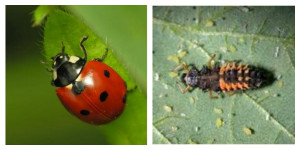
Lady Bug Collage

Lady bugs are just 1 of 400 lady beetles found in North America.  Adults and larva feed on soft bodied insects like aphids.  Most adults need to feed on flower pollen or nectar to reproduce.

Lacewing
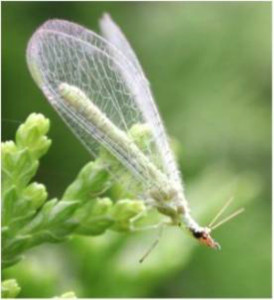
Lacewing

Lacewings are pale green or brown in color.  Adults mostly feed on nectar.  Lacewing larva, however, are voracious predators that feed on aphids, thrips, scales, moth eggs, small caterpillars and mites.  This is one bug you want in your garden!

Ground Beetles
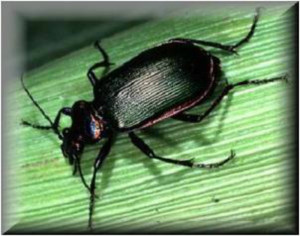
Ground Beetle

Ground beetles are large, long-legged and shiny black or brown.  They hide under rocks or ground covering plants in the day and move fast when disturbed.  They feed on slugs, snails, cutworms, root maggots, and Colorado potato beetle larva.  Attract these beneficial beetles by growing ground covering petunias and using boulders or logs in the landscape.  Rove beetles resemble earwigs without pincers, and feed on many insects similar to the ground beetle.


Parasitic Wasp
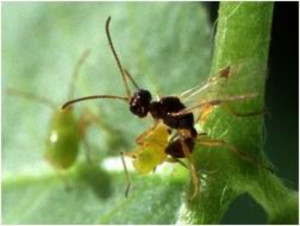
Parasitic Wasp

There are hundreds of species of wasps, including many that are so tiny you can barely see them.  These mini-wasps often attack the eggs of pests, and are one of the most important insect groups that provide control of .  Attract these beneficial bugs by growing nectar and pollen rich plants.


Garden Spider
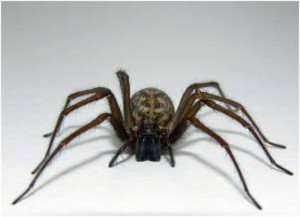
Garden Spider


All spiders feed on insects and are very important for preventing pest outbreaks.  The spiders normally found in gardens do not move indoors, nor are they poisonous.  Permanent perennial plantings and straw mulches will provide shelter and dramatically increase spider populations in the vegetable gardens.


Tachinid Fly
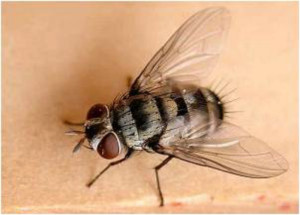
Tachnid Fly

Although Tachinid flies look similar to the house fly, these insects are important enemies of cutworms, army-worms, tent caterpillars, cabbage loopers, moths, saw flies, Japanese beetles, squash bugs and sow bugs.  Attract the Tachinid fly by planting nectar and pollen rich plants.


Dragon Fly

Dragon Fly

There are more than 80 species of dragon flies.  They vary in all colors and sizes, ranging from 1-2 inches in length.  Their larva are found in water.  Dragon flies eat aphids, mosquitoes and other pest bugs.  Dragon flies has decreased in population dramatically as wetland areas have become developed and taken away.  If you want to see dragon flies in your garden provide a small pond or water feature to attract these beautiful insects!


Honey Bee
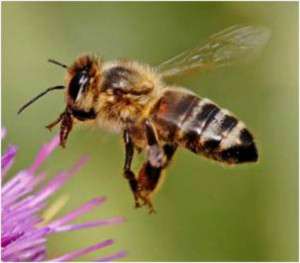
honey bee

Honey bees are important pollinators to many plants.  They can often be identified by the pollen baskets they carry on the backs of their legs and fuzzy body.  They tend to be lighter in color compared to the wasp or hornet they are so often mistaken for.   The best way to attract honey bees is to grow plants with lots of pollen and nectar, many are listed above.  Did you know that pollinating insects are worth well over $8 billion dollars  our economy every year!


Assassin Bug
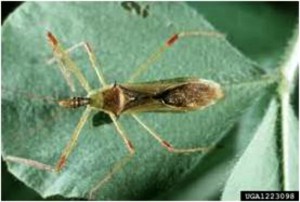
Assasin Bug

There are 3,000 known species of assassin bugs!  They are voracious predators of a wide variety of insects, including aphids, caterpillars, cucumber beetles, ear wigs, leaf hoppers and many more.  They inject their prey with a lethal toxin from their beak that liquifies their innards and then sucks out the contents.  They have been known to shoot venom at their enemies from a foot away!


Praying Mantis

Praying Mantis

These insects have big appetites, feeding on both beneficial and pest insects!  They can strike their prey within 50 milliseconds, making them one of the fastest animals on earth!


žLadybugs
are just 1 of 400 of lady beetles found in North America.  Adults and larva feed on soft bodied insects like aphids.   Most adults need to feed on pollen or flower nectar to reproduce.

Growing and Using Vegetables: Kale

Kale Plant

Benefits of Kale

Kale is something new I have been growing in my garden for the past few years.  If you are like me I knew it was good to eat, but I just didn’t know what to do with it!  Kale is one of the best greens we can add to our diet and when prepared properly it can taste really good!  Here are a few reasons to eat kale!

  • Kale is high in vitamins K, A and C giving our immune system a boost and metabolism high.
  • It’s is high in fiber, keeping our digestive track healthy and clean and LDL cholesterol levels low.
  • It’s high in iron and antioxidants increasing the bodies ability to fight off cancer and other diseases.
  • Kale is a great anti-inflammatory food which helps with arthritis, asthma and auto-immune disorders.
  • Kale is very high in Calcium!  In fact one serving of kale has more calcium than a glass of milk!


Growing Kale

I like to grow a particular variety of kale called Red Russian.  It’s flat green leaves are easier to work with for cooking and the flavor is a bit more mild.  Kale is very easy to grow.  It’s very cold hardy and can usually get through most winters, producing seed during the second season.  During the cold winter months I have a hoop house over the box I grow my kale in to keep the leaves from freezing, using it throughout the winter months.  In fact it gets sweeter the colder the temps are as long as the plant is protected, as with many cold crops.   Simply sow the seeds either in early March or early August.


Cooking With Kale


Cheesy Kale Chips

“Cheesy Kale Chips”

I bet you can’t just have one!  These vegan “cheesy” kale chips are so good!  My dear friend Janet gave me the recipe and it has been a huge hit ever since!  They are very simple to put together and makes good use out of all that kale in the garden!  Not to mention they are very healthy and nourishing!

2 bunches kale, torn into chip sized pieces
½ cup cashews
1 red pepper, chopped
½ lemon including the pulp (with your thumb and fingers, scrape and pull the pulp off the peel)
½ tsp. sea salt
½ cup brewers (nutritional) yeast
¼ cup water
2 T. minced onion
1 tsp. chili powder (or 1 jalapeno pepper, chopped)
½ tsp. turmeric
2 cloves garlic
1 T. agave
Dehydrating Kale Chips
Fill a large bowl with prepared kale pieces.  Put the rest of the following ingredients into a blender and blend until smooth.  Pour the topping over the kale pieces and mix together with a large spoon.  Make sure each piece is covered.  Place the kale pieces on dehydrator trays.  Do not double stack them.  Dry at approximately 160` for about 6 hours or until crisp.


Spaghetti with Kale and Chickpeas


Spaghetti with Kale and Chickpeas

I love this meal!  It’s fast, healthy and filling.  And a great way to add kale to your diet.  I served salad greens from my garden with the spaghetti and made a lemon dill vinaigrette to go on top.  Delicious!
1 lb. whole wheat spaghetti
1 tablespoon olive oil and 1 tablespoon butter for cooking
1 large onion, chopped
5-6 garlic cloves , minced
1 can chickpeas, drained
1 large bunch of kale or Swiss chard
Juice of 1 lemon
Parmesan cheese
Salt and pepper to taste
Cook the noodles according to the package directions.  In the meantime, saute the onions and garlic in a large dutch oven, until lightly browned.  Add the chickpeas.  Before draining the noodles, reserve 1 cup of the hot pasta water and add to the bean and onion mixture.  Add drained noodles and kale.  Once the kale has wilted down, add the cheese and salt and pepper to taste.  Serve and Enjoy.  Recipe inspired by “Spilling the Beans Cookbook”

Energizing Green Drink

This is such a delightful recipe!  It’s packed full of nutrients leaving a natural energy buzz behind!  It’s best to use a juicer, but if you don’t have one, a blender and strainer will do the trick too!

5 large leaves of kale, ribs discarded

1 lemon, zest and pith removed

1 large apple, roughly chopped

A 1-inch piece of fresh ginger

1 sprig of fresh mint

Push all ingredients through a juicer.  If using a blender, add 1/2 cup purified water and strain through a fine mesh strainer and drink immediately!