Medicinal Herb – Comfrey

Comfrey

Medicinal Herb Post #6 written June 5th, 2018

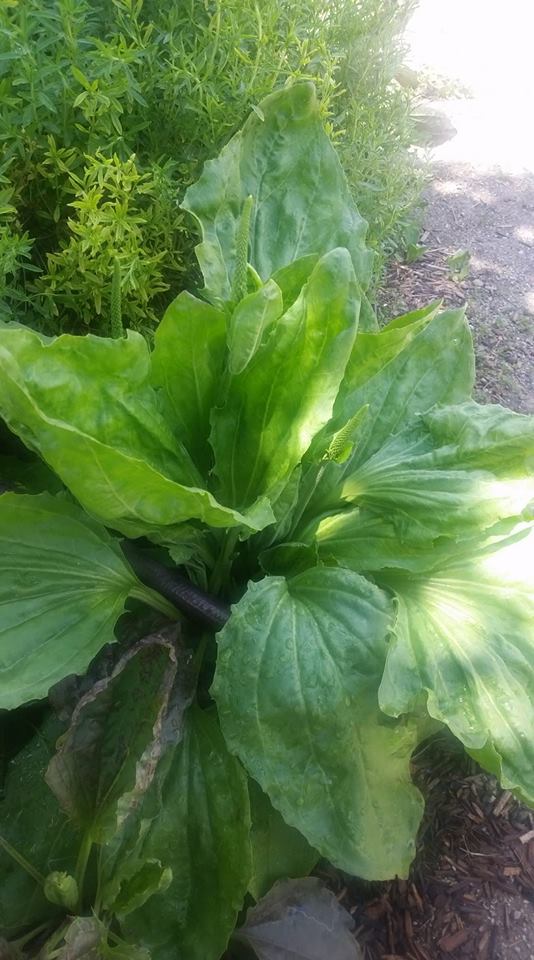
Comfrey – Symphytum officinale (there’s that officinale word again) and Symphytum uplandicum (Russian… sterile… less invasive species). Also known as knitbone because of its incredible ability to heal bone and other tissue.

Comfrey is probably one of the most powerful vulnerary herbs on this planet! It’s ability to heal tissues in the body is incredible and fast too! Which means it shouldn’t be used for puncture wounds until the risk for infection is gone. It’s also a great demulcent (soothing), great for joint pain, anti-inflammatory, expectorant and anti-ulcer. The leaves and roots are medicinal. Harvest the leaves once the mature and the roots anytime.

So the big question is, is Comfrey safe to take internally? Yes, for the most part it is. It shouldn’t be given to pregnant women, babies, people with liver problems or people on a lot of pharmaceutical drugs. It contains pyrrolizidine alkaloids (PAs). Now PAs have a record of causing liver lesions when taken internally by 6 week old rats. The problem with this study was that they were given a concentrated form (an extract) of the plant… not the whole plant. It was given to the rats as 40% of their diet. Wow, that’s a lot! As humans we aren’t going to take that much on a daily basis or even as an extract. So use caution and if you are worried at all take liver supporting herbs with it like dandelion, burdock, Oregon grape or milk thistle. I don’t know any herbalist that has known anyone who has had a problem with taking Comfrey internally. PAs are also found more so in the root than the leaf, so stick with the leaf if you want. And when you dry the leaves they have even less as well. Comfrey has been used internally for thousands of years. Houndstongue is a relative of comfrey and grows wild here in Utah. It can be used externally but contains much higher levels of PAs and should not be taken internally. In fact horses that eat it usually get sick and die. There was an herbalist named Dr. Christopher years ago who was sent to a farmer’s home who’s horse had eaten houndstongue and was very sick, he gave the horse milk thistle, an incredible liver protective herb and the horse recovered. The best thing one can do is become educated about these plants.

Okay, let’s move in to what Comfrey can do. In the garden it is a wonderful fertilizer. You can chop and drop as a mulch. You can also soak the leaves in a bucket with water for 3 weeks. Dilute and use to water plants. It’s also makes a powerful foliage spray to combat powdery mildew and other pests. Be sure to strain it first before applying. Apply once every 2 weeks for a month.

Comfrey helps heal digestive tissues. Using comfrey, calendula, chamomile and licorice together as a tea, 1 tsp 3x a day will help with ulcers and colitis.

It is one of my main ingredients in the salve I make for all skin issues, especially burns. That recipe can be found in the calendula post 

It’s also great to add to other expectorant herbs for coughs like gumweed, mullein or elacampane.

What do you use comfrey for?
Medicinal herb – Plantain

Plantain 1 Plantain 2

Medicinal Herb Post #5 written June 5, 2018

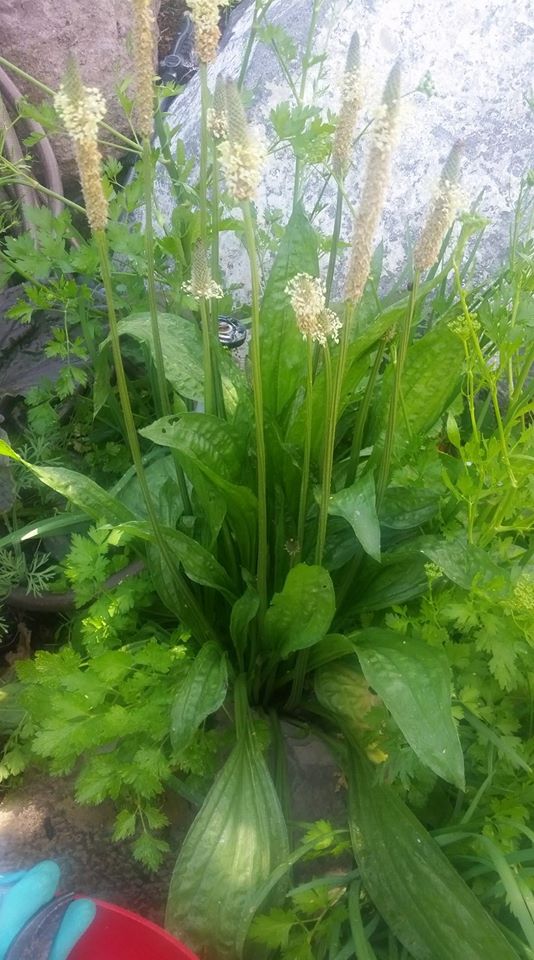
Plantain – P. major (broad leaf), P. lanceolata (narrow leaf) and P. ovata (psyllium)

Plantain isn’t native to the US. The American Indians used to call it Englishman’s footprint because it is an invasive species from England. However, they didn’t mind too much because this plant has many health benefits! The broad leaf grows in more wooded and watered areas, whereas the narrow leaf tends to grow in desert areas, but as you can see I grow both very easily. One plant can produce up to 15,000 seeds and has been documented to remain viable after 60 years (the seeds that is). I like to cut back the seed stalks so I’m not fighting it too much the following year. The ovata species is where psyllium husks come from and is used to soothe the digestive track and get things moving along. It is the main ingredient in Metamucil.

Plantain is edible and used for many ailments. It is an anti-inflammatory, demulcent (soothing to upset tissues), diuretic, vulnerary (accelerates cell repair and healing), astringent (tightens swollen tissues) and is very good at drawing out poisons. The Herbalist I learned from had a friend who was a die hard survivalist. This particular adventure he decided to go on was a hike down through the Snake River Canyon up in ID. He was days away from any town and was rock climbing. As soon as he put his hand up on a rock he felt a very painful bite. It was a rattlesnake that bit him and it wasn’t a dry bite either. His hand swelled up immediately and he knew he could die if he didn’t do something quick. So he climbed down and walked along the river knowing that the broad leaf plantain likes water. He ate plantain and chewed it putting it on the bite, changing the dressings every 2 hours. Within just 48 hours the swelling had gone down and the pain went away. He only has 2 small scars on his hand from the fangs of the snake. Pretty impressive! It’s one of those must have first aid herbs for all kinds of poisonous bites and wounds, including animal bites (dog), bee stings and spider bites.

Other uses I have applied plantain for:

Stomach issues, especially leaky gut or IBS.
Tea or capsule, equal parts plantain, licorice, marshmallow and bentonite clay. You can add peppermint, chamomile or calendula too depending on your needs. 1-2 tsp 2x a day or more if needed.

I use plantain in my salve recipe (search calendula herb post in this group for it).

A great venomous bite poultice would be equal parts plantain, marshmallow root, dandelion root, yarrow or echinacea and calendula. Grind into a powder or poultice and apply to the bite. It’s also found in wound formulas by adding comfrey, lobelia and cayenne. Plantain is particularly good for puncture wounds because it doesn’t close up the wound too fast like comfrey.

Plantain is great for coughs, colds and bronchitis. When combined with another good expectorant like gumweed it’s ability to moisten tissues makes it easier to move mucus out of the lungs.

Plantain should be used with caution in pregnant women as it has been known to cause uterine activity. It has also been known to decrease the effectiveness of carbamazepine and lithium drugs.

Medicinal Herb – Red Clover

Red Clover 2

Medicinal Herb Post #4 written May 30, 2018

Medicinal Herb post #4

Red Clover (Trifoleum pratense)
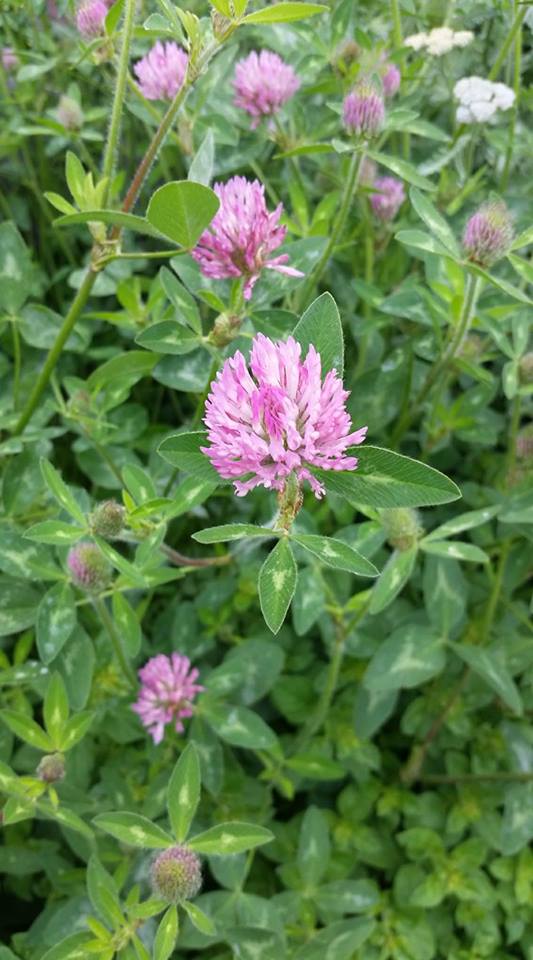
This hardy perennial is easy to grow and is part of the legume family that sends roots deep into the earth. The pollinators love it for the abundant nectar it provides. Harvest the flowers as soon as they open.

It’s a wonderful alterative (blood purifier and nutrient dense). It gently supports and restores normal functions to the immune system and is deeply nourishing as it contains many vitamins and minerals. What’s great about nourishing herbs is that they give the body an opportunity to resolve other issues going on because we give it what it needs to do its job. It’s often included in skin problem formulas for eczema and psoriasis as well as respiratory infection formulas and lymphatic cleansers. Included in this group of alterative, nourishing herbs are, alfalfa, burdock, yellow dock, nettles, plantain, garlic, Oregon grape, cleavers, echinacea, comfrey and marshmallow.

Both the flower and leaf contain phytoestrogens and isoflavones that can have a beneficial effect for women with menopausal symptoms like hot flashes, mood swings and night sweats. There is also some recent evidence that shows it can help with maintaining bone density.

Red clover shouldn’t be taken by those who are on heart medication or have any blood thinning problems. Don’t take 2 weeks before and after surgery.

Here are a few formulas you can use with red clover:

Children’s Cold/Flu Glycerite (our family’s favorite)
Equal parts elder flower, mullein leaf, red clover flowers, peppermint or spearmint and yarrow. Cover herbs in a mason jar with 1 cup glycerine and 2 cups water. (You can make more if you need, just remember the 1:2 ratio) Cover with lid and shake once a day. Strain and keep in a jar in the fridge. Give 1 tablespoon in water or juice 3x a day.

Lymphatic Congestion Tea or Syrup
Equal parts calendula flower, red clover flower and cleavers. For the tea, infuse and steep the dry herbs in water that has just been boiled for 15 minutes. For the syrup cover the herbs with water and simmer on very low heat until the liquid is half the original volume. Strain and pour back into the pot. Add equal amounts of raw honey, maple syrup or glycerine to the herb liquid. Pour into jar and keep refrigerated. Take 1 tablespoon 3x a day.

Vitamin Tonic/Tea (also good for menopause support)
3 parts red clover flower, 2 parts milky oat tops (just ripening), 2 parts peppermint or spearmint, 1 part nettles, 1 part raspberry leaf. You can also add alfalfa, burdock, yellow dock or other alterative herbs listed above. Steep herbs for 15-20 minutes and drink 2-3 cups a day.

Medicinal Herb – Calendula

Calendula 2

Medicinal Herb Post #3 written May 28, 2018

Calendula (Calendula officinalis) other names it’s known for are pot marigold or English marigold.

I love this bright, happy little flower. It’s name in Latin means “calender”, which references its ability to bloom every day of the year (weather permitting). My calendula blooms from March through November until it gets too cold. Another cool thing I learned about the name officinalis is that it means that any particular plant with it in its name came from the officina or traditional storeroom of the old monasteries where medicine was kept. They have been tried and true herbs used specifically for their medicine for hundreds of years. Calendula is an annual (short lived perennial in warm climates) that reseeds itself easily and can be invasive. However it is not difficult to manage.

Calendula is a fabulous anti-biotic, anti-inflammatory, vulnerary (accelerates healing), astringent and anti-fungal herb. It’s great for sore throats, mouth sores, dental infections, stomach and intestinal ulcers (when used with comfrey), skin wounds and fungal infections. Calendula can be used as an eye wash for conjunctivitis. It has also been known to help stop bleeding, clear the lymphatic system when used with cleavers and echinacea and helps to cleanse the liver by increasing production of bile. It can also be useful when used topically and taken internally for breast cysts. It can be soothing to women who have undergone mastectomies. Gynologically it can be used for reducing fibroids and ovarian cysts. It is very useful in a sitz bath after child birth. It’s a serious super star herb!

I like to harvest the flowers when they are open but not drooping, leave those to go to seed so you have more next year. Some of the things I do with it are:

Herbal tea for stomach/intestinal sores/ulcers and candida overgrowth (also good for mouth sores) equal parts calendula, marshmallow, comfrey and licorice. 2 tsp 2x a day.

I make a skin salve that accelerates healing like nothing else. You’ll want to use equal parts of at least the first 5 herbs: calendula, comfrey leaf and root, plantain, yarrow, marshmallow, mullien, chickweed, lobelia, St. John’s Wort. I place them in a jar and cover with olive oil and a lid or you can place them in a pot over the stove top. If you’re solar infusing put the jars in a sunny place for 4 weeks and shake daily ( I prefer this method). If using the stove top method heat the oil and herbs on the lowest heat for an hour. Be careful not to burn the herbs. Strain and place oil in pot. For every cup of infused oil you have you’ll want to add 1/4 cup beeswax until melted. Test it to make sure it is the consistancy you want. More wax will make it harder. Pour into jars and add vitamin e to help the salve penetrate through all the dermis layers. Add essential oils (I like lavender and tea tree) to help preserve the salve. Store in fridge.

Calendula is very safe with no contraindications, although there are some herbalist that think it’s a good idea to stay away from using it internally during pregnancy because it can help normalize menstrual cycles and relieve cramps.

Medicinal Herb – Elder

Elder plant

Medicinal Herb Post #2 written May 22, 2018Elder (Sambucus spp.)
You might be wondering why I’m posting about Elder today seeing how there aren’t any berries, let alone blossoms yet. There are more medicinal parts to the plant (like the leaf) than just the berries and parts that should be avoided like the mildly toxic bark and roots and red berries (Sambucus racemosa). Elder is one of the best antiviral herbs one can grow. It’s leaves are the strongest medicinally and should be harvested before the energy of the plant moves into blossom and berry production. It’s the number one herb for the onset of a cold/flu.However, Elder should be avoided during cytokine storms. Cytokine storms are when the body produces too many disease fighting cells like macrophages and T-cells, essentially attacking the whole body instead of just the virus. This is more likely to happen to those with strong immune systems. A good example of this is the Spanish influenza and the reason for so many deaths. Other herbs that can increase cytokines are Echinacea, Honey, Ginseng and Chocolate (sad I know).So when is it beneficial to take Elder? At the very first signs of cold/flu/influenza! A great combo to take is Elder leaf, yarrow and peppermint. Echinacea is also another good herb to add as well. If the virus has moved from the head down into the throat and lungs you would want to use expectorant herbs like gumweed, wild cherry, and elecampane and anti-cytokine herbs like tumeric, garlic, grape leaves, ginger, skullcap and St. John’s Wort.

Elder flower is a known diaphoretic, or herb that helps one sweat out a fever making it more productive. Use it with yarrow, catmint and spearmint or peppermint for best results. The flower is good for upper respiratory infections like sinus infections, congestion and blocked Eustachian tubes. Elder flower is very soothing with it’s emollient properties for the skin. It is soothing for allergic reactions, redness and inflammation of the skin. Use in a cream or as a poultice.

The berry can be used for deeper coughs. It is especially beneficial for stopping the replication of the influenza virus. The virus looks like it has tiny little thorns on it that puncture the cell walls then replicates. Elderberry disarms the replication of the virus and therefore shortens the duration of illness. Use at the onset of illness every 2 hours in syrup or tincture form. It can be used with echinacea and willow or boneset to help with achiness, mullein leaf and flower for deep congestion as well as dry hacking coughs and coltsfoot, mullein or licorice to soothe a sore throat, gumweed or elecampane as a good expectorant. The berries are very high in antioxidants and strengthen veins and capillaries. Other berries that do the same are currants, blueberries, blackberries and raspberries.

The leaves should only be used for adults, flowers for children and berries for everyone. Here are some ideas to use Elder:

Cold/flu tea – Elder leaf, yarrow, peppermint. 1 tsp of each in a cup of hot water that was just boiled. Cover and let steep for 20 minutes. Drink a cup 3x a day for a couple of days. For children use Elder flower, yarrow and spearmint. I haven’t been sick in years using this simple recipe.

Check out my recipe for the best elderberry syrup!https://rootedemily.com/?p=651

Elder is considered safe for everyone including pregnancy. Use the berry and flower for children and pregnant women.

Medicinal Herb – Chamomile

chamomile 1 chamomile 2

Medicinal Herb Post #1 written May 21, 2018

Busy harvesting lots of medicinal herbs today. I’d like to start a daily (or maybe realistically, weekly) post on simple herbs to grow and their uses. One of my favorites is chamomile. It is incredibly versatile! German (Matricaria recutita) is the annual variety and self seeds very well. Roman (Chamaemelum nobile) is a perennial that comes back every year. Don’t confuse it with feverfew (they don’t bloom at the same time anyway). You can tell the difference by the shape of leaves. Chamomile has a fern like shape and feverfew has a broader shaped leaf. They also smell very different. Chamomile has a sweet apple like smell and feverfew is more musty. Feverfew is fantastic for headaches, including migraines and stimulating menstrual flow (so feverfew should not be taken during pregnancy). The chamomile herb is very safe, but should be avoided if one is taking sleep aids or allergic to ragweed.

You’ll want to gather the flowers in the late morning or early afternoon when they are open and the petals are a nice disc shape. Once the petals droop let them go to seed. I planted a seed packet years and years ago and have never had to buy since. They grow in my pathways around my garden boxes. I just pull out the ones that I don’t want and get plenty yearly.

Chamomile is a great anti-inflammatory, antibiotic, nervine (pain), antispasmodic and includes many other qualities. It’s great for sore throats, teething babies, intestinal issues including ulcers and irritable bowel syndrome, great for digestion, supports the liver and urinary system and is very good for anxiety/insomnia. Wow! It is definitely one to have in the garden!

So what am I going to do with my chamomile? I’ll harvest, dry and use with other herbs. Here’s a few ideas and recipes:

Sore throat tea: equal parts chamomile, calendula, marshmallow and licorice. 2 tsp per dose, 3x a day.

Stomachache/gastritis: equal parts chamomile, peppermint, marshmallow. 2 tsp as needed. For ulcers add calendula and comfrey.
For colic and gas: equal parts catnip, chamomile, fennel and licorice. Same dosage as above.
For diarrhea: 2 parts bentonite clay, 2 parts marshmallow, 1 part angelica seed and 1 part sage. 4 tsp 2x a day.

Liver cleanse: equal parts chamomile, burdock root, Oregon grape and dandelion root. 2 tsp 2x a day for 2 weeks. Liver Restorative (used after a cleanse): equal parts chamomile, yellow dock root, cleavers and milk thistle. Same dosage as above.

Menstrual cramps: equal parts chamomile, cramp bark, ginger and fennel. 1 tsp as needed.

Insomnia: equal parts chamomile, valerian, skullcap. (2 tsp just before bed). Add lobelia and black cohosh for nerve pain 2 tsp 2x a day.
Anxiety: chamomile, St. Johns Wort, lemon balm, oat straw. 2 tsp 2x a day.

Bladder infection: equal parts chamomile, 2 corn silk, juniper berry, 2 marshmallow, cranberry. 2 tsp 2x a day.

What do you do with your chamomile?

Gluten/Dairy Free Chocolate Torte

gluten free chocolate cake

This gluten/dairy free beauty is so divinely delicious! Rich and bursting with chocolate flavor! You will be surprised how easy it is to make!

Recipe

1/2 cup coconut oil

1/4 cup Dutch process cocoa

12 ounces dark chocolate chips or pieces, divided

1 1/4 cup organic cane sugar

4 large eggs

1 teaspoon vanilla

1/2 teaspoon sea salt

Preheat the oven to 350 degrees. Grease an 8 or 9 inch spring form pan.  In a double broiler melt the oil and 8 ounces of chocolate. Remove from heat once the chocolate is melted.  Whisk in sugar and one egg at a time.  Then add cocoa, vanilla and salt.  Spread the batter in the prepared pan and bake for 35 minutes. Let cool and remove from spring form pan onto serving dish. Heat the remaining 4 ounces chocolate and 1 teaspoon coconut oil, stirring until smooth.  Pour over cake and spread to cover the top allowing for it to drizzle down the sides. Top with fresh berries or nuts if you prefer.

Paleo Granola

Paleo Granola

Since I’ve moved away from gluten and dairy for the most part I have tried many new recipes. This paleo granola recipe is really good and can be eaten on anything that needs a sweet crunch. Use it as a topping for muffins, on top of yogurt or coconut ice cream.

Recipe

1/2 cup maple syrup

1/4 cup coconut oil, melted

1 tablespoon vanilla

1 1/2 teaspoons cinnamon

1 teaspoon ground ginger

1 teaspoon sea salt

1/2 teaspoon fresh ground pepper

1/2 teaspoon allspice

1/4 teaspoon nutmeg

2 cups chopped almonds

2 cups chopped pecans

2 cups unsweetened coconut flakes

1/2 cup sunflower seeds

1 cup dried cranberries or raisins

Mix all ingredients together in a large bowl minus the raisins. Place on a greased rimmed cookie sheet. Bake at 325 degrees for 25 – 35 minutes, rotating the sheet half way through. Store in gallon size freezer bag for up to 2 weeks in the pantry.

Gluten Free Chocolate Waffles

Gluten Free Chocolate Waffles

These are the perfect Valentines or Birthday Breakfast!  My kids beg for them! Serve with fresh fruit and real maple syrup. Makes 4-6 round waffles.

Recipe

2 cups almond flour

2 cups tapioca flour

1/4 cup organic cacao or cocoa powder

2 teaspoons baking powder

1/2 teaspoon sea salt

1/2 cup applesauce

4 eggs

1/2 cup almond or coconut milk, more if you want the batter thinner

3 tablespoons maple syrup

1 teaspoon vanilla

Mix the dry ingredients together first then add the rest. Cook according to your waffle iron instructions. Serve with maple syrup and fresh fruit.

Vegan/Gluten Free Chocolate Mint Cookies

Gluten Free Chocolate Mint Cookies

 You will be surprised how good these are! So yummy!

Recipe

1 and 1/2 cups gluten free flour

1/4 cup arrowroot powder

1 1/2 teaspoon xanthum

1 teaspoon soda

1 cup sugar

1/4 cup cocoa powder

3/4 cup coconut oil, melted

1 teaspoon sea salt

1 teaspoon vanilla

1/2 cup applesauce

1 cup dark chocolate chips

1/2 teaspoon mint extract

Mix all dry ingredients together first, then add the wet ingredients.  Roll into 1 inch balls and press flat with your hand.  Bake on greased cookie sheet at 325 degrees for 12 – 15 minutes. In the meantime melt the chocolate and add the mint extract.  Place chocolate in a medium sized freezer bag and cut a small hole in the corner of it. Drizzle chocolate over cookies and allow to set.