Growing and Using Herbs: Sage

Sage Plant

Sage is one of those safe and simple herbs to use and grow!  For years I only used it with Thanksgiving Turkey and stuffing and although the herb is the essence of fall to me I recently learned there a lot more purposes to this wonderful herb!  Sage tea has been known to help “dry” up mother’s milk for weening babies.  It has been used for many years to calm and soothe a sore throat and even help with hot flashes!

Growing Sage

Sage is very easy to grow in zones 4-8.  It loves full sun, well draining soil and hot conditions, so it does well here in Utah.  It’s best to get starts from your local nursery or propagate from root division.  Older plants can get woody and leggy, just cut back the old growth in the spring before the new growth comes out.

Using Sage

Outside of using sage on poultry, we can also use it for medicinal purposes too.  Here are a few of my favorite recipes to aid your family during the cold and flu season.

Sage Throat Spray or Gargle

Ingredients to make Sore Throat Spray or Gargle

This throat spray is very simple to make.  Harvest about 1 cup fresh sage leaves.  Place in bowl and pour 1 cup boiling hot water over the top of the leaves.  Cover with a plate to keep the essential oils inside.   Let steep for 30 minutes.


Strained Fresh Sage Tea

Strain the sage tea into another bowl and add the following:

1-2 tablespoons raw honey

1-2 tablespoons echinacea tincture (optional, but does extend the shelf life)

1-2 drops peppermint essential oil


Sage Throat Spray or Gargle 2

Pour into a clean glass jar through a funnel.


Sage Throat Spray or Gargle

Label the spray/gargle and use as needed.  Store in refrigerator.


Homemade Cough Syrup

Fresh Herbs for Sore Throat Spray or Gargle

In a large pot place 4 ounces each fresh sage, thyme and horehound (optional, but strongly recommended).  If using dried herbs, use half the amount.  Pour 12 cups water over the herbs and simmer low for a few hours until the water has decreased to 6 cups and you have made a very strong tea.  (this recipe can be made in smaller batches too.)


Horehound, Sage and Thyme Tea

The herbs have been cooked down to half and a strong tea remains.   Strain through cheese cloth or muslin and add 3 cups raw honey.


Sage, thyme and Horehound Cough Syrup

This recipe made about 8 (12 ounce) bottles of cough syrup.  To make the syrup stronger I also added 1 T. echinacea tincture and 1 drop OnGuard essential oil to each bottle.  This will keep the syrup for a longer period of time and increase its effectiveness.  Keep in fridge and take 1 teaspoon every few hours until cough or cold subsides.


Growing and Using Medicinal Herbs: Lavender

Lavender Plant

I love lavender!  It serves so many purposes both in the garden and home!  Lavender is easy to grow, beautiful, aromatic and attracts honey bees and other beneficial insects into the garden.  It is a sun loving, drought tolerant perennial and grows best in well draining soil.   Look for babies that come up every year and replant them in areas they can fill in.   You can also divide the root ball once the bush is large enough at about 3 years old.  Most types of lavender are medicinal.  Highly regarded varieties are L. officinalis and L. angustifolia.

In the home I use it with chamomile and lemon balm to make a relaxing tea or infuse a cup of lavender tea into fresh lemonade!  Lavender icing on sweet sugar cookies is quite a gourmet treat too!  It’s easy to make an infused calming lavender massage oil and headache tincture.  I’ll show you how later in the post.

Harvesting Lavender

Harvested Lavender

This week I have been harvesting my lavender buds just before they bloom into full flower.  If you harvest the flowers when they are in full bloom the medicinal properties won’t be as strong or last as long.  Dry your flower buds in a basket under the shade of a tree, or hung upside down in a cool dry room in the house or in a dehydrator on the lowest setting at around 95 degrees or lower.

Laveder Jar

Once the buds are completely dry, remove them from their stems and place in a glass jar with a lid.  Lavender has profound calming and uplifting effects.  It has been used as a mild anti-depressant for many years.  It’s also great for tension headaches and insomnia.  I always have a bottle of lavender essential oil around to use as an antiseptic.  It’s antibacterial and antifungal properties helps to keep scrapes and burns clean and free from infection.  Essential oil from the lavender plant has been known as the “First Aid in a Bottle” because it is so versatile!  It’s ability to take the sting out of a bee sting or other insect bites is unbeatable!  It even helps take the pain out of burns and cuts.  Try a few of these fabulous recipes from my favorite book by Rosemary Gladstar, “Medicinal Herbs, A Beginners Guide”.

Calming and Antiseptic Lavender Spray

This recipe is simple, extremely versatile and safe for everyone!

7 tablespoons purified water

1 tablespoon witch hazel extract

10 drops lavender essential oil

1 (4 ounce) spritzer bottle

Place all ingredients into the bottle and shake well before using.  You can use it to mist bedsheets, a car or other rooms in the house.  I like to spray it on cuts and scrapes as an antiseptic.  It’s also great for spraying on public door nobs or on hands as a cleaner.

Lavender-Feverfew  Migraine and Headache Tincture

1 part lavender buds

1 part feverfew leaf and flower

80-proof alcohol, unpasteurized apple cider vinegar or glycerin

Place the herbs in a quart jar and cover with alcohol by an inch.  Place on counter for 3-4 weeks in a visible place and shake every day.  Strain with cheese cloth and keep in a dark blue or amber bottle out direct sunlight.

To Use:

For long term use for migraine headaches, take 1/2 teaspoon 2x a day for up to 3 months.  Discontinue use for 3 to 4 weeks and them repeat the cycle.  For severe acute situations take 1/4 teaspoon every 20-30 minutes for up to 2 hours.  Do not use during menstruation because it can stimulate bleeding.


Calming Lavender Massage Oil

1 1/2 ounces dried lavender buds

4 ounces nut or seed oil (apricot, grapeseed or almond)

10 drops lavender essential oil

1 glass quart jar

Pour oil over lavender buds.  Cover with lid and let sit in a sunny warm spot for 2-3 weeks.  Strain the buds out of the oil and place in jar.  Add the essential oil and keep in a cool dry spot for up to 6 months.  Use in a bath or for massage.

Growing and Using Herbs: Basil

    Sweet Basil

There are so many different kinds of basil to grow these days!  All beautiful and uniquely fragrant!  I grow lots of it!  In fact I grow it everywhere I can!  It’s even pretty enough to grow in flower beds, enhancing the aroma and keeping pests away!  I usually buy a few starts to get a head start on the harvest, but this year I started my own seeds under lights and grew more, directly sowing them into the ground as a border around some of my vegetable beds.  I am now harvesting from my larger plants, throwing it into green salads, pastas and making fresh pesto (see recipe below)!  Basil is a sun loving, tender annual herb and needs to be planted by starts or seeds after the danger of frost has past.  Usually around the middle of May.  Be sure to cut the flowers off so the plant doesn’t go to seed extending the leaf growth all season long!

There are many health benefits to basil some include protection from certain cancers because of it’s high levels of flavonoids and anti-oxidants, protecting our body from free radical damage and cholesterol.  Basil is also an excellent source of magnesium, improving blood flow, and promoting cardiovascular health and well being.  Essential oils found in basil have long been effective as organic alternatives in treating dry skin, acne, psoriasis and even ear infections.  Basil’s not just an herb to sprinkle on spaghetti, basil has important antibacterial properties. When applied to the skin or surfaces, basil fights back against bacteria and so much more.   Not just any old herb, basil’s got anti-inflamatory properties second-to-none that can provide much-needed relief from all kinds of conditions, including inflammatory bowel disease (IBD) conditions. Basis is also reportedly helpful in treating constipation, indigestion, stomach cramps, and more.

Harvesting Basil

Cut Basil

When harvesting basil cut 1/4 of an inch above the first or second main stem where it begins to branch out.  This will force the outside stems to grow bigger, allowing for more harvest later!  Be sure to not cut off anymore than a 1/3 of the plant to allow enough energy to keep the plant alive.  Cutting basil on a regular basis will help encourage more growth!

Other varieties I grow in my garden!

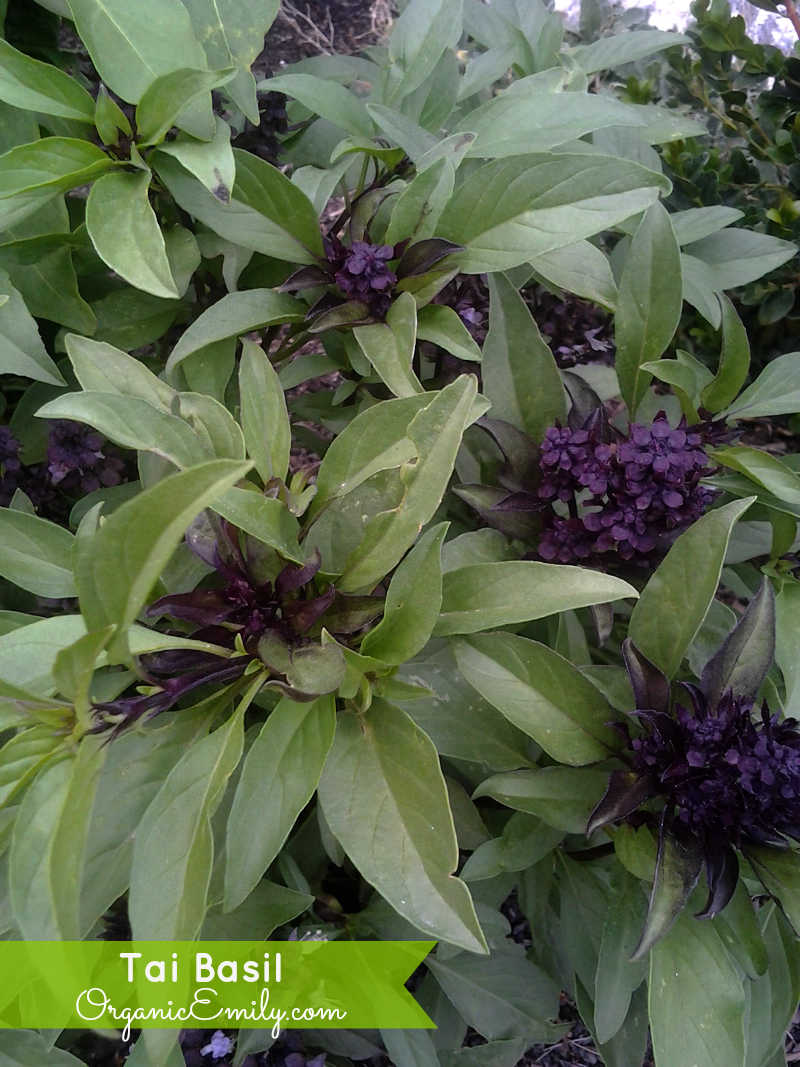
Tai BasilCinnamon BasilLemon BasilSweet Basil

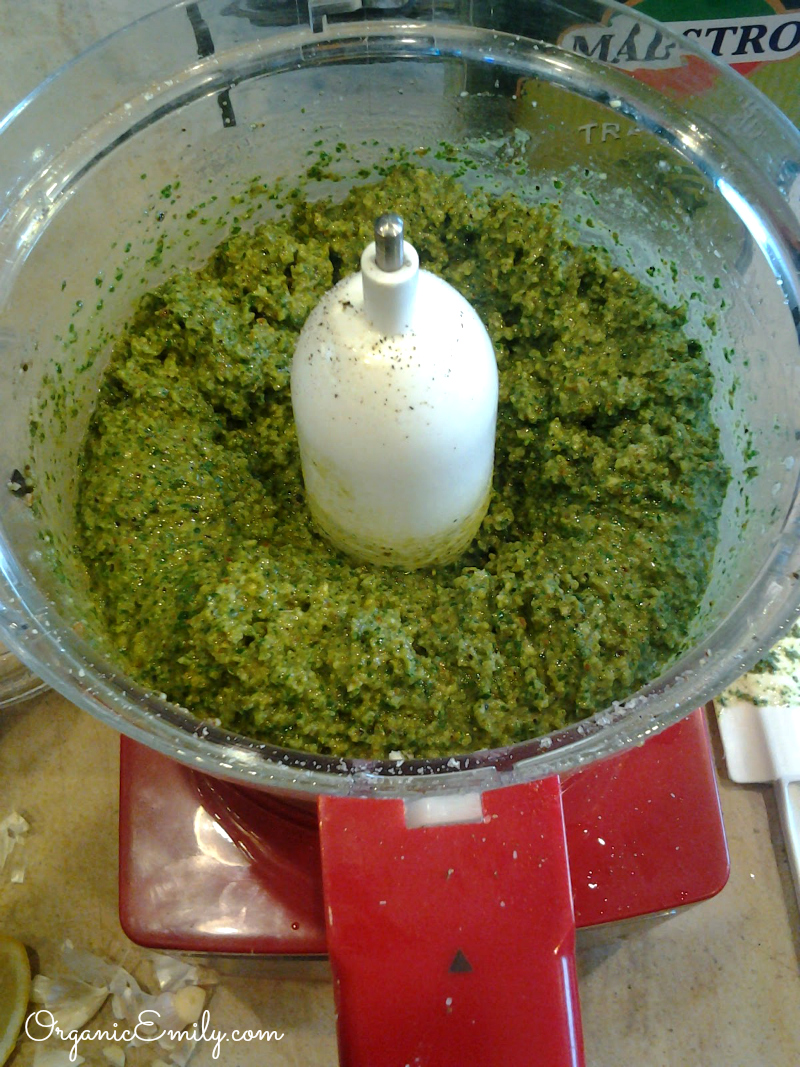
Fresh Basil Pesto

Basil Pesto

Freshly made basil pesto is a little piece of heaven in my kitchen!  The fragrance and flavor are hard to beat and only seasonal which makes it even more beloved!  This simple recipe is perfect for so many different kinds of recipes!  Try putting it on pasta, pizza, bruschetta, tomatoes, other veggies, sandwiches and crackers.  There are endless possibilities!


Recipe

 In a food processor blend 1 cup almonds or other desired nut.  I prefer almonds because they are mild in flavor and less expensive than pine nuts.

While processor is going add 4 cups packed fresh basil leaves

Add 1 cup olive oil to keep the mixture from sticking.
Add 2-4 cloves garlic
1 cup good Parmesan cheese
Juice of 2 lemons
Sea salt and pepper to taste.
If you like your pesto a thinner consistency, add more olive oil.


Growing and Using Herbs: Cilantro

cilantro

There aren’t too many things that are better than fresh homemade salsa with cilantro form the garden!  It also has some amazing health benefits too!   This is a picture I took back in May from cilantro seeds I grew last fall.  It had only come up maybe an inch before the weather got cold and the days became shorter and stopped growing.  As the snow covered the ground during the winter it helped to insulate the little cilantro leaves just enough to protect it from the hard cold temperatures we had.


Cilantro is known for being an effective toxic metal cleanser! It is a powerful herb with natural cleansing properties. The chemical compounds in cilantro bind to toxic metals and loosen them from the tissue. Many people suffering from mercury exposure report a reduction in re-occurring feelings of disorientation after consuming large and regular amounts of cilantro over an extended period. Make sure the cilantro you use is organic, otherwise it may have already pulled those toxins into the plant!  The best way to know for sure is to grow it yourself or buy from a reliable organic source!  Cilantro also has strong antioxidant properties, has been known to aid in improving sleep and also has very strong anti-fungal and anti-bacterial properties.


I often get the question, “How can I make my cilantro last a little longer in the garden? It always seems to bolt quickly.”  It can bolt quickly, especially when the temperatures become warmer.  I plant my cilantro seeds (coriander) every two weeks so I am constantly harvesting throughout the growing season. It also reseeds itself very easily if you let it flower and allow the flowers to dry and produce seed.  The seeds you sow in the spring will produce more seed from mature plants.  As they drop to the ground you may find new little cilantro plants start to come up in the fall and even the following spring.  Cilantro grows well in rich, well draining soil and does not like to be removed once it has been planted either by direct seed or transplanting.  It prefers full sun, but will grow in some shade too.  Sow the seeds 1/2″ deep and thin every 4-6 inches.  When using cilantro for cooking, use the young leaves that are broad and shiny.  They tend to be less bitter and add incredible flavor to many dishes!  Here are a few of my favorite recipes using cilantro!


Ingredients for guacomole

Fresh Guacomole

Recipe:

This homemade guacamole is so good, you may find that after one taste, there won’t be any left to share with others!  This is one of our family favorites and it is so good for you!
4 medium or 3 large ripe avocados, smashed
1/2 red onion, finely chopped
2 serrano peppers, seeded and minced (add more seeds later to increase heat)
2 limes, juiced
1 bunch cilantro, chopped
salt and pepper to taste
Mix all ingredients together in a medium size bowl and serve with organic corn chips or on a whole grain tortilla!  Delicious!
Southwest Black Bean Salad
A delicious and refreshing salad!  A great addition to any meal!

Recipe:

8 cups shredded red leaf lettuce (1-2 heads)
2 cups cooked or canned black beans, rinsed and drained
2 cups bite-sized sweet red pepper strips
2 cups frozen or fresh corn kernals
1/4 cup cilantro (about 1 bunch)
1/4 cup orange juice
1/4 cup cider vinegar
1/4 cup organic canola oil
1 teaspoon ground cumin
1/2 teaspoon sea salt
1/8 teaspoon red pepper flakes
Combine in large bowl the lettuce, beans, peppers, corn kernels and cilantro.
For dressing combine the remaining ingredients listed in a tightly sealed jar or Tupperware bowl and shake until mixed well.  Drizzle over salad.  Eat immediately.
Southwest Quinoa Salad
Perfect for lunch or a side for dinner!  This super healthy and delicious recipe is so simple!  I got it out of one of my favorite recipe books called, “Quinoa, The Everyday Super Food”.

Recipe:

2 cups water
1 cup quinoa, uncooked
1/3 cup olive oil
1/3 cup freshly squeezed lime juice
4 tsp. apple cider vinegar
2 1/2 tsp. ground cumin1 jalapeno, seeded and minced
1 1/4 cup frozen corn kernels, thawed
1 chopped red bell pepper
1 (15oz.) can black beans, rinsed and drained
1/3 cup chopped fresh cilantro
2 avocado,s chopped
sea salt and pepper to taste
Cook quinoa with the water in a rice cooker or on the stove like you would rice.  While that is cooking. mix together the olive oil, lime juice and vinegar in a small bowl.  Once the quinoa has finished cooking and has slightly cooled, place the dressing over the quinoa in a large bowl and allow the warm quinoa to infuse the flavors.  Chop and add the rest of the ingredients to the quinoa and check to see if more salt and pepper is needed.  Can be kept in an airtight container for up to 3 days in the fridge.

Growing and Using Herbs: Peppermint and Lemon Balm

Peppmint and Lemon Balm

I grow my peppermint, spearmint and lemon Balm in pots because they are very invasive perennials!  These are all apart of the same family and have many benefits!  Let’s talk about just a few.

Peppermint

  • Mint is an excellent pest control when grown around the garden and home.  It deters mice, ants,  flies, roaches and moths.  It also attracts beneficial insects like honey bees and other pollinators when allowed to flower.
  • Peppermint has many medicinal properties as well.  It stimulates the digestive system relieving cramps, gas, bloating, nausea, diarrhea and other stomach problems.  It is also known to have astringent, antiseptic, antibiotic, antimicrobial components and is great for using on cuts, burns and other wounds.  I use it religiously for headaches!  Whenever I feel the tension coming on I will apply both peppermint and lavender essential oils to my neck and shoulders and it goes away in just a matter of a few minutes!  If you don’t have the essential oils, but grow it in your yard or home try mashing up a few leaves to release their oils, add it to a little bit of olive oil and massage it into  the area needed.  The next time you have a cold try drinking some peppermint tea to help relive congestion.


Lemon Balm (Melissa)

  • Lemon Balm, a pollinator attractor, has been known to be a calming herb, both for the nervous system and digestive system.  It was used as far back as the Middle Ages to relieve stress, promote sleep, improve appetite, ease discomfort associated with indigestion and treat cold sores.   I like to make a calming tea using lemon balm with other herbs like chamomile, calendula and peppermint.


Drying Herbs

Harvesting and Drying Herbs

Before my peppermint and lemon balm get to big and their leaves become smaller just before flowering, I harvest big bunches for drying and using later.  Cut the herbs back towards the ground leaving a few inches of the plant.  Don’t worry they will come back with a vengeance and you can do it all over again in another few weeks!   From there you can rinse any dirt or bugs off the plants and dry them one of 3ways.  First, you can do it the way I did here in the picture.  Tie a rubber band around a bunch and then thread a piece of twine through hooking it to a hanger.  Allow to dry out of direct sunlight, hanging upside down for a week or two.  Second, you can take the leaves off the stems and dry in a dehydrator.  It’s certainly the fastest way to dry anything!  Third, get a screened frame and allow the herbs to dry on top under the shade of a tree, again out of direct sunlight.  Once the herbs are completely dry store in a cool dark place, preferably in a glass jar.


Fruit Salad

For a heavenly addition to any fruit salad try adding chopped fresh mint, lemon balm, basil or even lemon verbena!  You can do what I do and make a simple raw syrup to put over a big bowl of freshly chopped fruit.

2 limes zested and juiced

2 tablespoons raw honey

1/4 cup chopped peppermint or 2 tablespoons chopped lemon balm, basil or lemon verbena


Growing and Using Herbs: Oregano

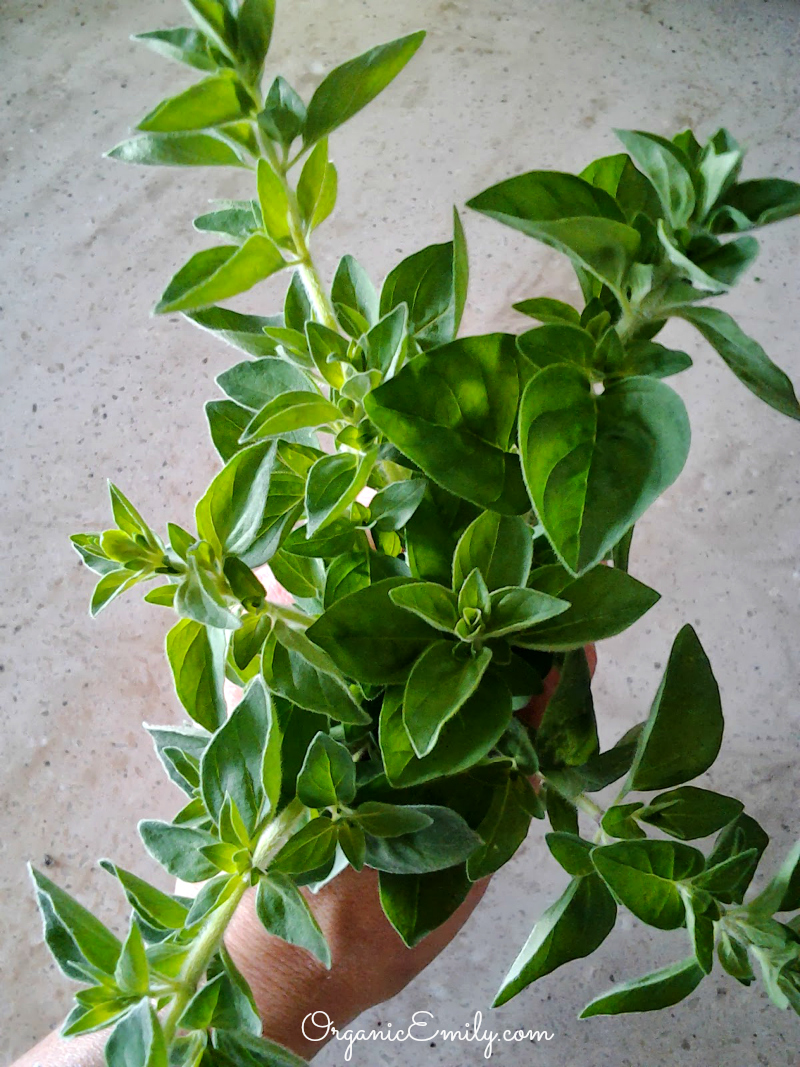
Fresh Greek Oregano

Oregano can be grown in any flower bed or vegetable garden!  It’s beautiful green leaves have a spicy fragrance and adds depth and savor to any dish!  I like Greek Oregano, it tends to have a little more heat and flavor than other varieties.  This week I harvested an entire plant before it flowered.  It will come back with a vengeance and I’ll be able to harvest again or let it flower so the bees can benefit from the plant too!  Oregano has many health benefits and is used for many purposes.  It’s  full of vitamin K, antioxidants and minerals.  It is also a natural antibiotic!

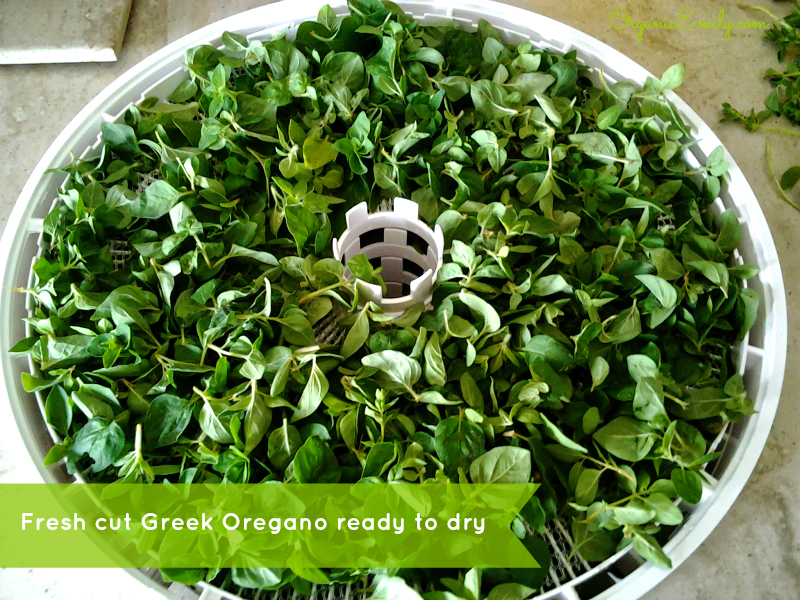
Oregano 2

With all the oregano I harvested I decided to dry it all!  There are a few ways to dry herbs.  They can be strung up and hung upside down to dry by air.  They can be dried outside on a screen under a shady tree.  Or they can be dried in a dehydrator.  First pulling off the leaves from the stems and then placing them on a dehydrator tray.  As you can see I dried them in the dehydrator.  I first pulled all the leaves from the stems and then placed them on a tray to be dried.  I had enough to fill 8 large trays.   I set my dehydrator on the lowest setting (about 95`) and dried the oregano for 24 hours.

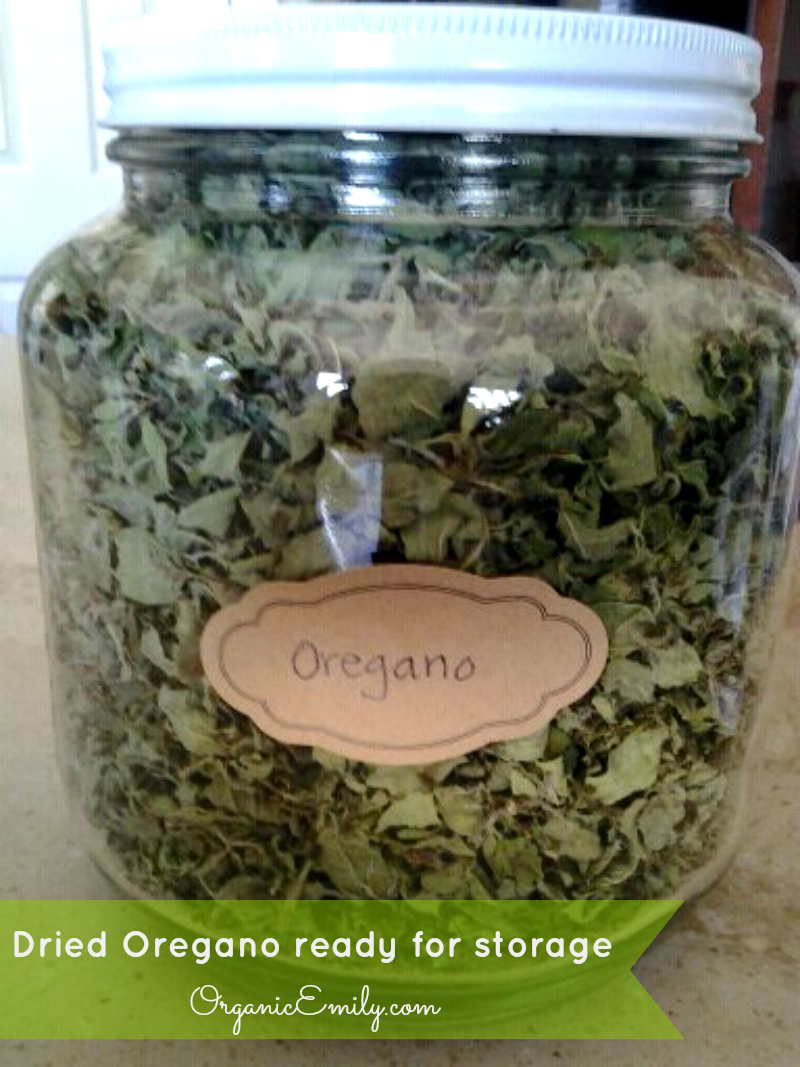
Dried Oregano

My oregano is stored in a half gallon glass jar, kept in a cool, dark room to maintain it’s potency.  We won’t use all this especially if I harvest again this year or even next year.  So I plan to divide the oregano out and put into smaller 4 oz. jars, add cute labels and give them as homemade Christmas gifts!   There are so many things we can do with herbs!  Here are a few recipes we enjoy at our house!

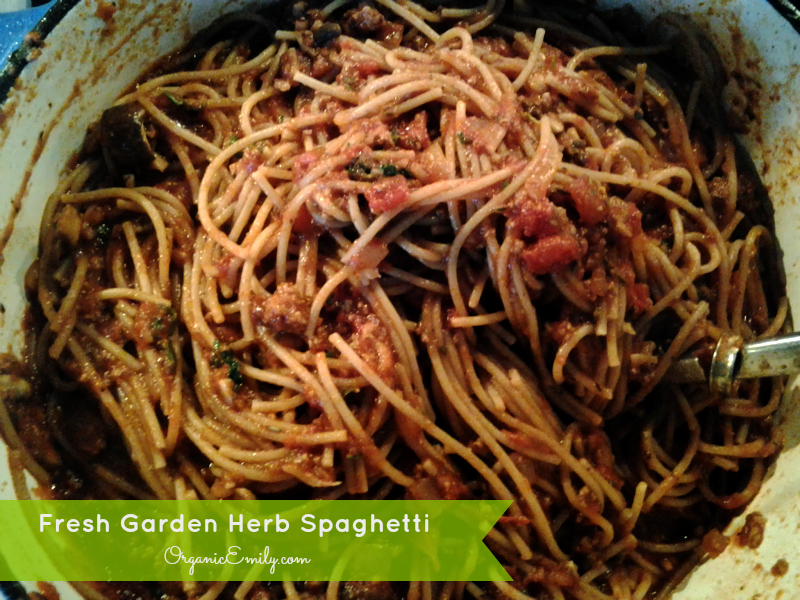
Fresh Herb Spaghetti

Fresh Herb Spaghetti

Olive oil for cooking

1 pound ground organic turkey

1 large yellow onion

3-4 cloves garlic, chopped

1 pound chopped baby mushrooms

Kosher salt and pepper

1 teaspoon Italian herb seasoning

2 bottles or cans (28 oz. each) crushed tomatoes

1 package cooked whole wheat pasta spaghetti noodles

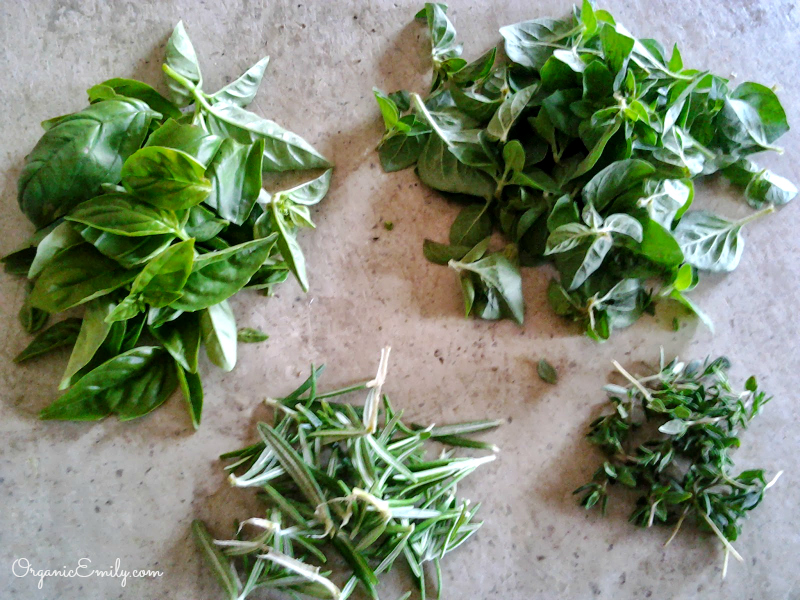
1/2 cup mixed fresh chopped herbs, like rosemary, oregano, thyme and basil

Fresh Cut Herbs

Heat oil in a large dutch oven and add ground turkey.  Add the onions and cook until lightly browned.  Add the garlic, mushrooms, kosher salt and pepper and Italian seasoning and continue to cook for a few minutes longer.  Add the crushed tomatoes and allow to simmer on medium low for 20 minutes.  In the meantime cook the noodles according to the directions on the package.  Strain the noodles and add to the pot of sauce.  Add the fresh herbs at the end and cook for just another minute or two.  Serve with fresh Parmesan or shredded mozzarella!


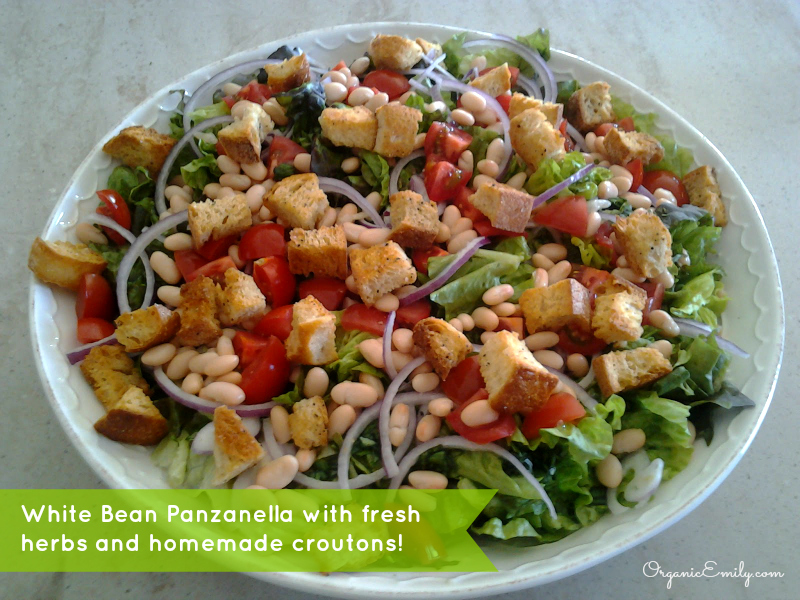
White Bean Panzanella

White Bean Panzanella

This savory salad is one of my favorites!  Made with homemade sourdough croutons, white beans and fresh herbs, it is a meal all by itself!  Perfect for a spring or summer time gathering!

1 loaf of sourdough bread, cut into bite size cubes

olive oil

kosher salt and pepper

Place the cubed bread on a rimmed baking sheet.  Drizzle olive oil and sprinkle salt and pepper over the bread.  Toss gently with hands.  Bake at 350` for about 20 minutes until golden.  Allow to cool.

In a large bowl place:

6-8 ounces of organic spring mix

1 1/2 pounds chopped tomatoes

1 can white beans, drained and rinsed

1 small red onion, halved and sliced very thin

3 tablespoons fresh chopped basil

2 tablespoons fresh chopped oregano

1/2 cup shaved Parmesan cheese

Top with cooked croutons and dress with an Italian or balsamic vinaigrette just before serving.


Growing and Using Herbs: Parsley

This week we are eating spinach, radishes, chives and parsley out of the garden!  Look for the recipes below using them all!  Parsley is more than just a garnish for your plate!  It may surprise you all the benefits you can get from this wonderful herb!  Here are just a few!
  • Parsley is rich in many vital vitamins, including Vitamin C,  B 12, K and A. This means parsley keeps your immune system strong, tones your bones and heals the nervous system.  It is high in chlorophyll and helps to freshen breath from the inside out.
  • It helps flush out excess fluid from the body, thus supporting kidney function. However, the herb contains oxalates, which can cause problems for those with existing kidney and gall bladder problems.
  • Regular use of parsley can help control your blood pressure. The folic acid in this herb is like a tonic for your heart.
  • Parsley essential oil, when massaged into the scalp, may reduce hair loss.
  • Use parsley daily, and you’ll feel relief from joint pain. That’s because the herb has anti-inflammatory properties.
  • Parsley tea relaxes stiff muscles and encourages digestion.
  • Studies indicate that parsley—especially its essential oil—may have a role in inhibiting cancerous tumors. In fact, scientists have billed it a ‘chemoprotective’ food.

Good Morning Green Smoothie!

This smoothie recipe is so refreshing and packed full of vitamins and minerals!  even my kids will drink it!  In a blender, mix together the following ingredients in this order:
1 cup water
1-2 tablespoons chia seeds
1 banana
Juice of 1 lemon
Juice of 1 lime
1-inch piece of fresh ginger
1 cucumber
1 carrot
1 celery stalk
1/2 cup applesauce or 1 apple
1 bunch parsley (about 1/2 cup)
2 cups packed fresh spinach
1 cup frozen pineapple

Roasted Spring Vegetables with Curried Chicken and Brown Rice on a Bed of Fresh Spinach

The roasted spring veggies recipe is delicious!  It comes from Cooking Light “Way to Cook Vegetarian” Cookbook!  The chicken curry is just something I put together quickly and let cook in the crock pot.

Spring Roasted Veggies:
3 tablespoons balsamic vinegar
1 tablespoon chopped shallots or red onion
1 lb. carrot, sliced
1 tablespoon olive oil
1 teaspoon kosher salt
1/2 teaspoon freshly ground black pepper
2 pounds fingerling potatoes, halved lengthwise
1/2 pound radishes chopped in half
2 cups asparagus, sliced into 2-inch pieces
1 tablespoon fresh chopped parsley
1 tablespoon fresh chopped chives
Preheat the oven to 500`.  Combine vinegar and shallots in a small bowl and set aside.
Combine carrots and the next 5 ingredients  in the bottom of a roasting pan (I used a 2-inch rimmed jelly roll pan), toss gently to combine.
Bake at 500` for 20 minutes or until they begin to brown, stirring occasionally.
Remove pan from the oven; add the shallot mixture and asparagus, tossing to combine.
Return pan to oven and bake for 5 minutes.  Stir in parsley and chives and serve hot!

Curry Chicken and Rice

The Chicken Curry is so simple!  I add Maya Kaimal Coconut Curry Sauce from Costco to 4 organic chicken breasts and 2 cups brown rice and 2 cups water in a large crock pot (adding more water if needed, throughout the cooking process).  Cook on low all day or on high for a half a day.  Simple as that!  Serve on a bed of fresh spinach!